Explore the continuity of a structured practice
Ashtanga Yoga is associated with established sequences that connect postures, breath and movement. Returning to a sequence can give the practice continuity, while the amount taught and the guidance offered depend on the programme. A Retreat creates time to work with that structure beyond an occasional class.
Begin with your current experience and the teaching you want. You might be learning the approach, returning after time away or looking for a setting where an existing practice can receive more attention.
Distinguish led classes from Mysore-style teaching
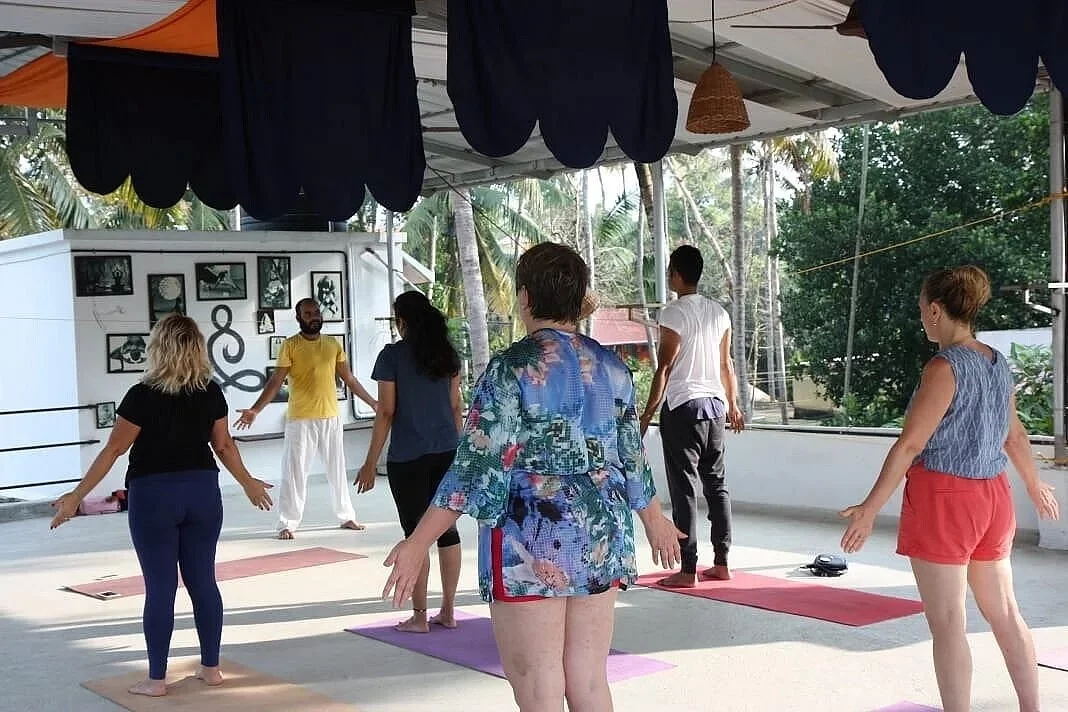
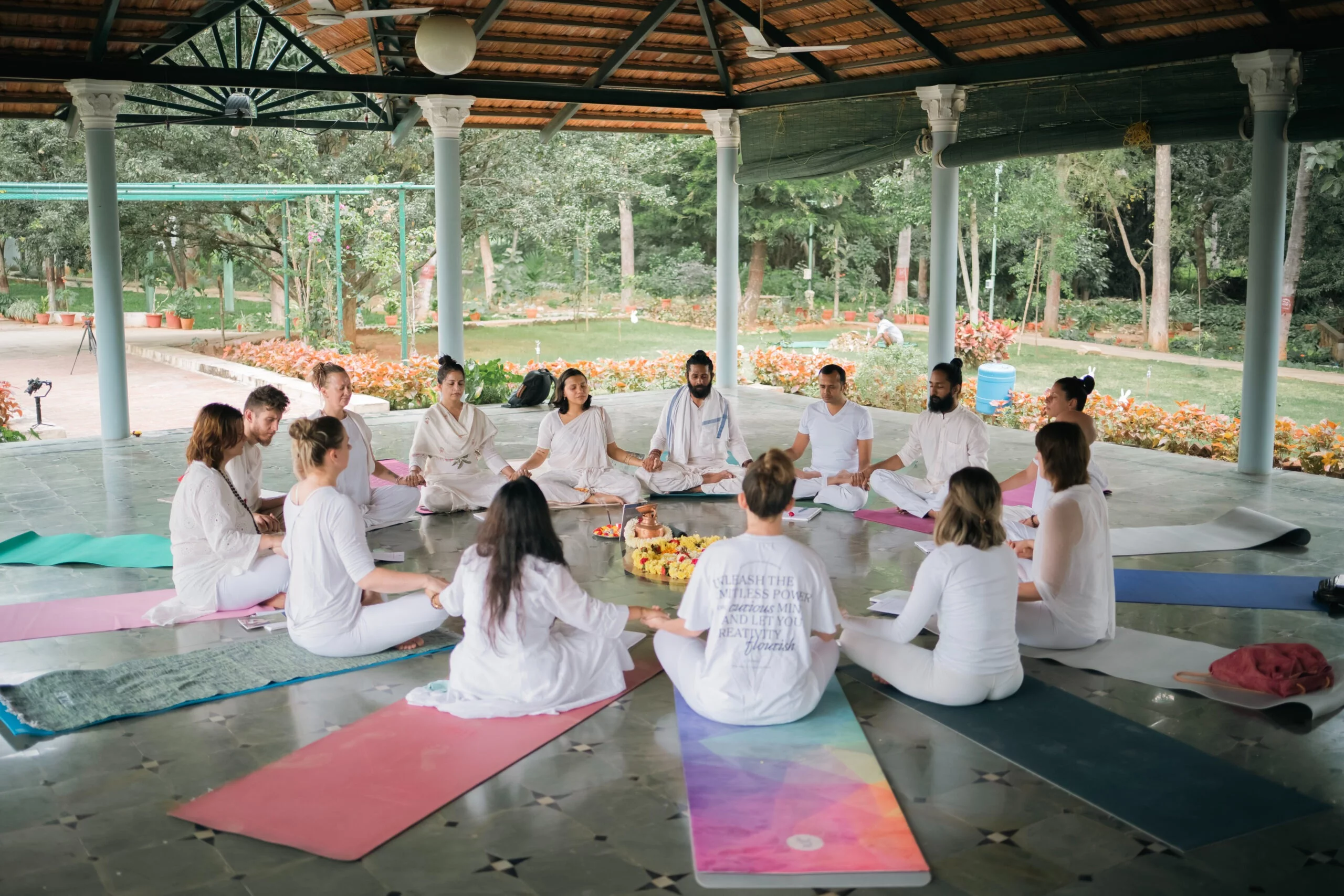
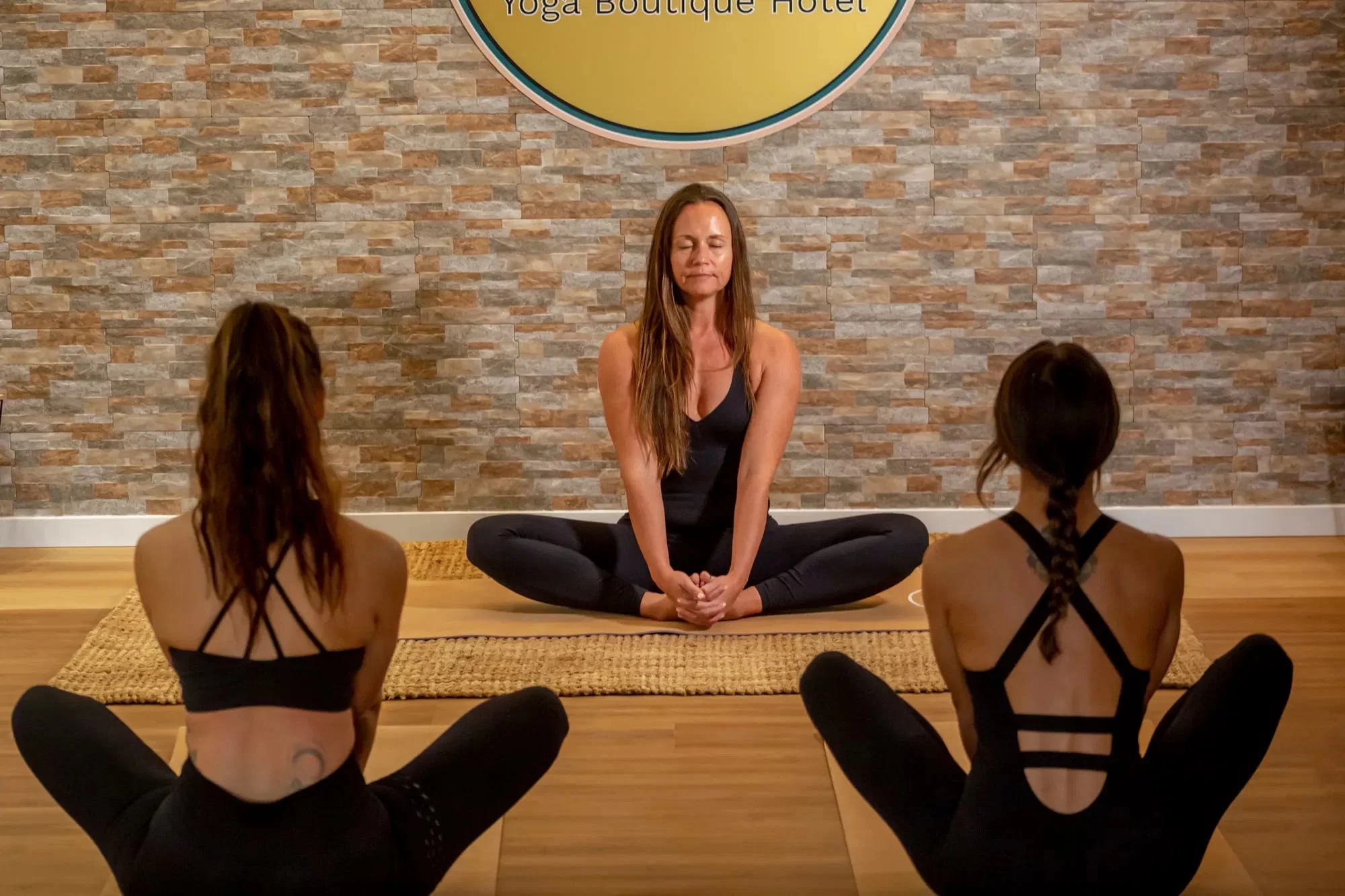
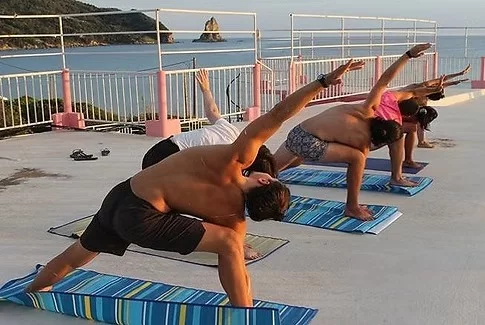
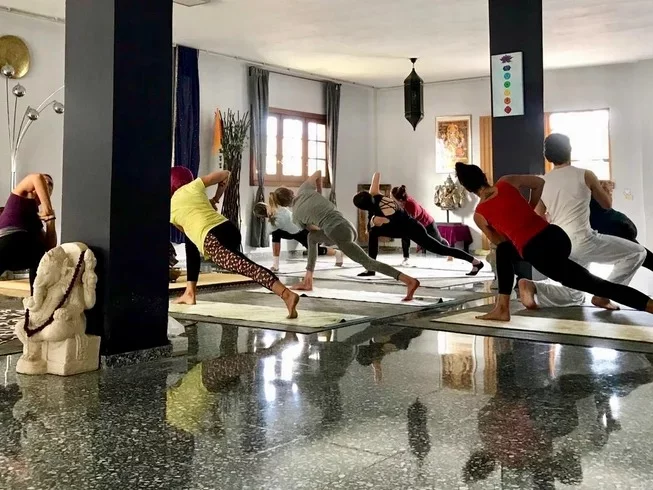
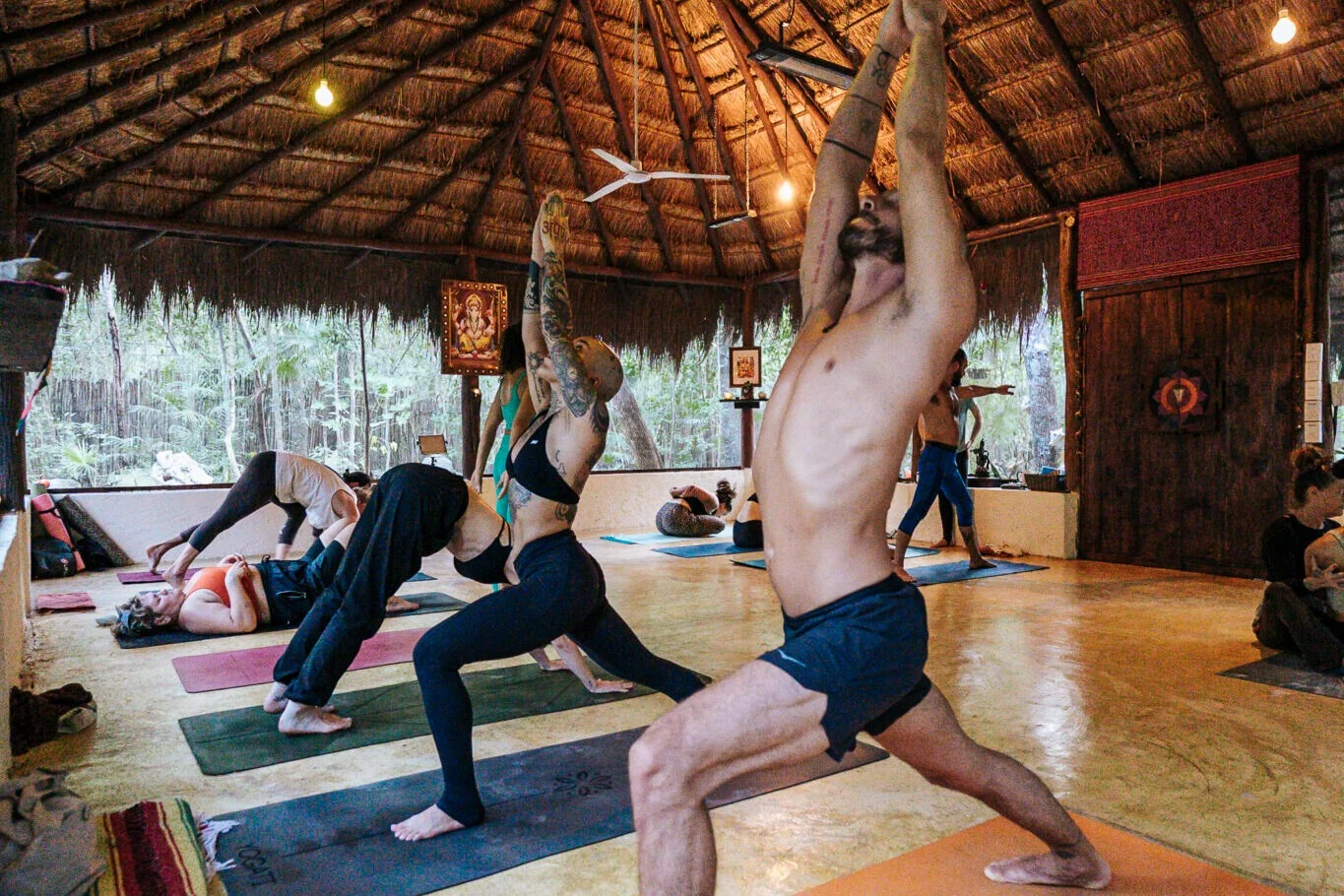
In a led class, the teacher guides the group through the practice together. In a Mysore-style session, students work through the practice at an individual pace with a teacher present to offer guidance. Mysore-style does not mean being left alone to figure out unfamiliar movements.
Ask which format the Retreat uses and how newcomers are introduced. An advertised practice window may allow different start times, while a led class generally has a shared start. The organiser should explain the arrangements rather than leaving you to infer them.
Choose the right point of entry
A programme may introduce part of a sequence, support an established practice or expect familiarity with particular material. Check what is taught and what you should already know. You do not need to choose the most advanced description to make good use of time away.
For a broader introduction to postures and breathing, compare Hatha Yoga Retreats. If you prefer a changing flow rather than an established sequence, explore Vinyasa Yoga Retreats. The teaching format matters as much as the style name.
Understand the guidance and adjustments offered
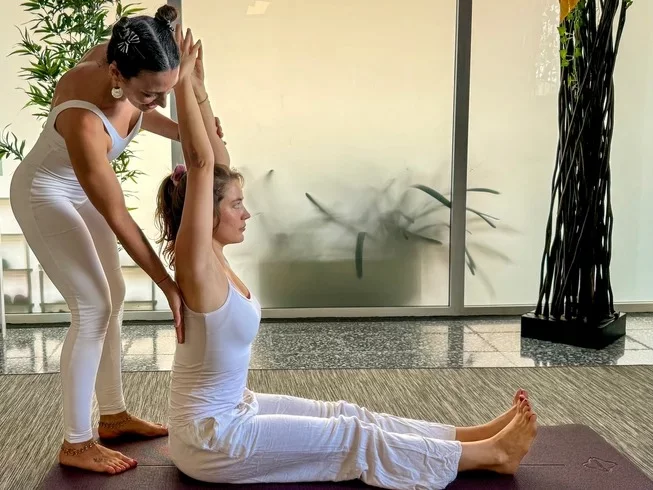
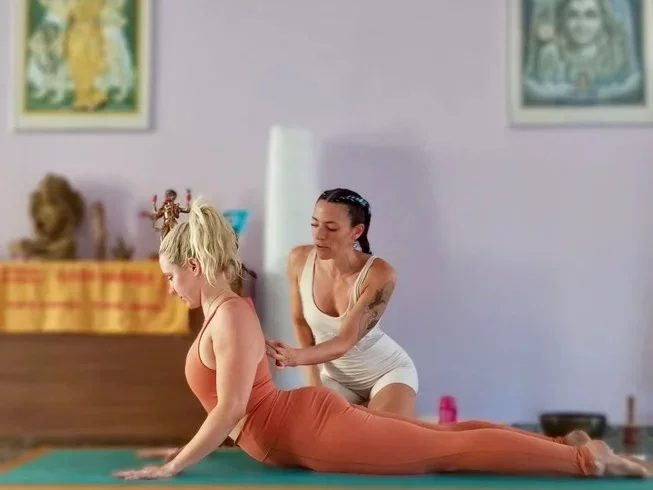
Look for information about the teacher’s experience with the format and the level of practice you are seeking. Ask how modifications, questions and physical assistance are handled. A clear approach to consent and individual needs helps you understand the classroom you will be joining.
Describe your recent practice honestly, including any unfamiliar parts of the sequence. The purpose of that conversation is to establish a suitable starting point, not to prove that you can already perform every posture advertised in the programme.
Build the rest of the day around the practice
Check the actual timetable, including class times, breaks and any days without scheduled practice. A routine with early sessions changes how you plan meals, outings and evenings. Consider whether you want that structure throughout your holiday or only on selected days.
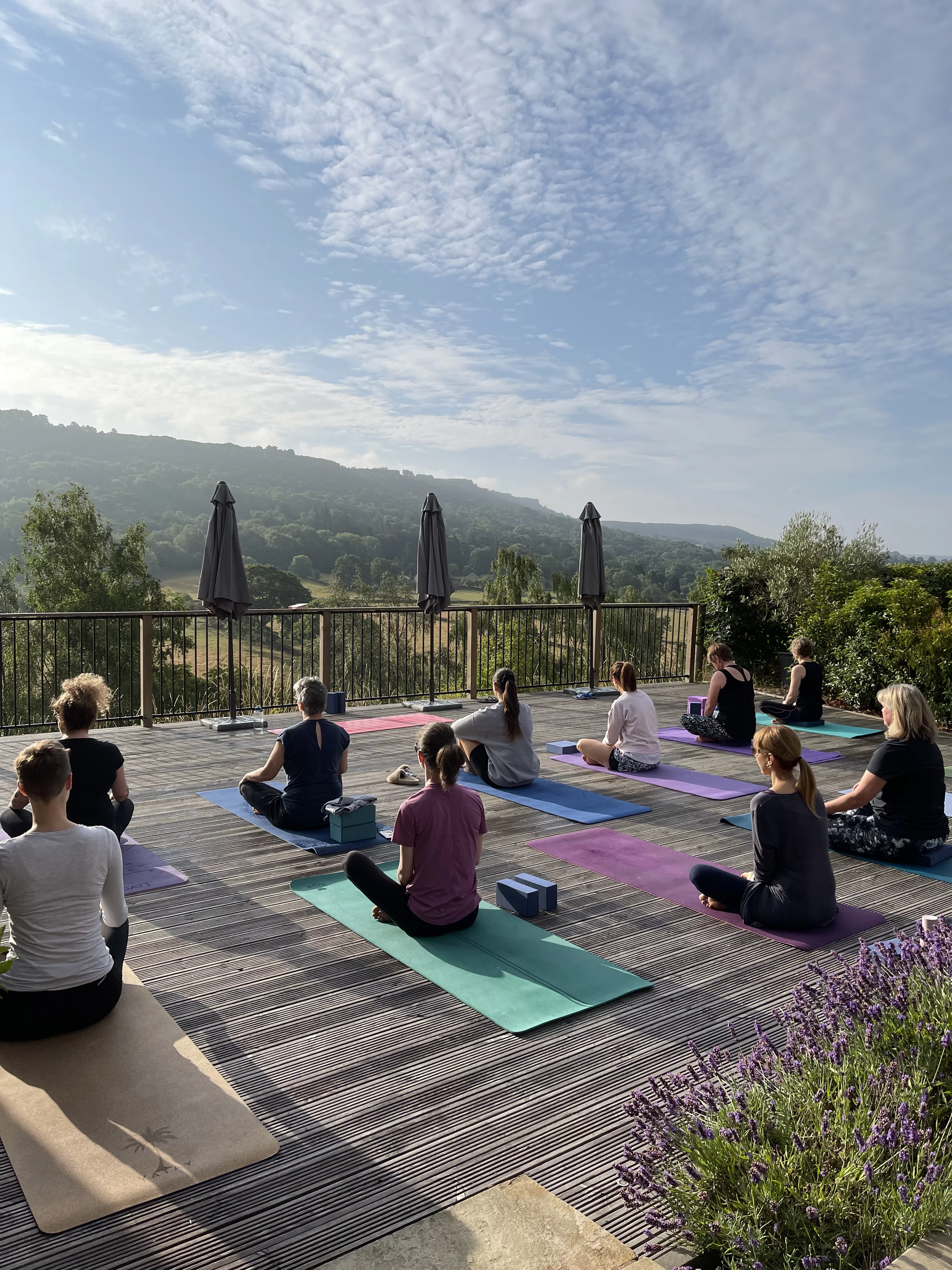
Keep your destination choices open while looking at practical details: distance to the practice space, equipment, room arrangements and local conditions. An impressive setting is most useful when it supports a routine you can enjoy, rather than making every morning a complicated journey.
Separate practising from learning to teach
A concentrated period of Ashtanga Yoga practice can be valuable without conferring a professional qualification. If teaching is your aim, explore Yoga Teacher Training and examine the specific course, prerequisites and assessment. A holiday class and a teacher education programme have different purposes.
For a Retreat, choose the format that gives you useful guidance and a realistic amount of practice. The experience can be about returning attentively to familiar material, rather than completing a sequence or reaching a particular posture by departure day.