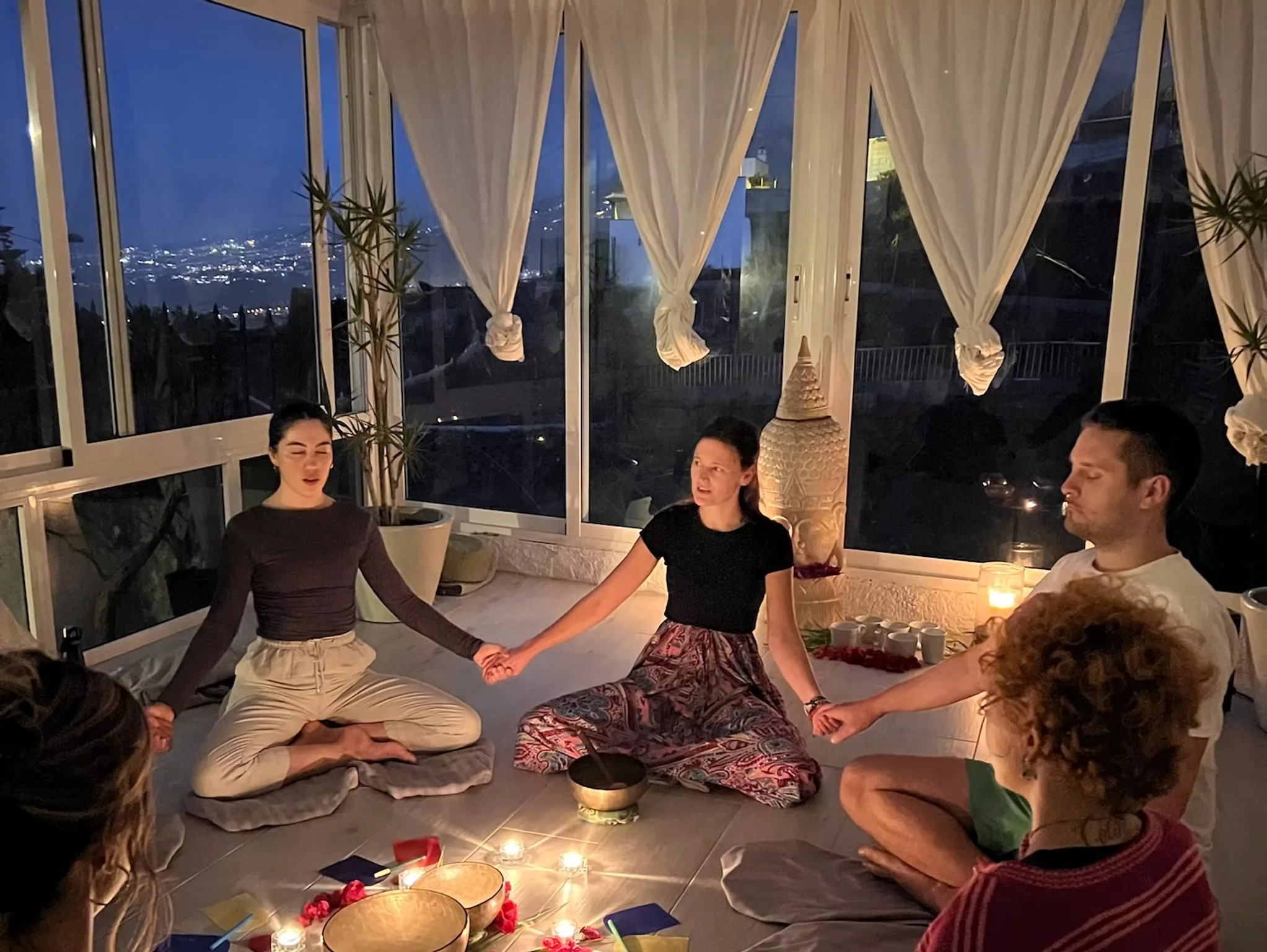
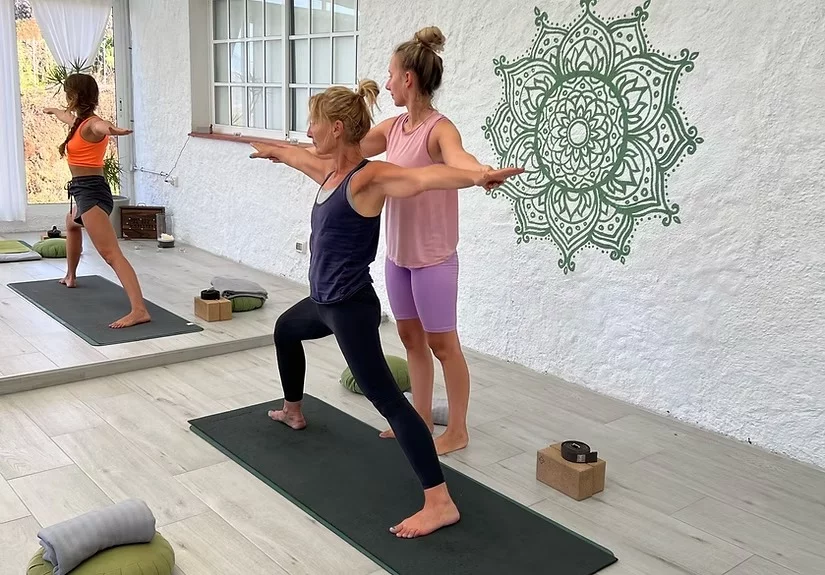
Understand the practice behind the name Yoga Nidra
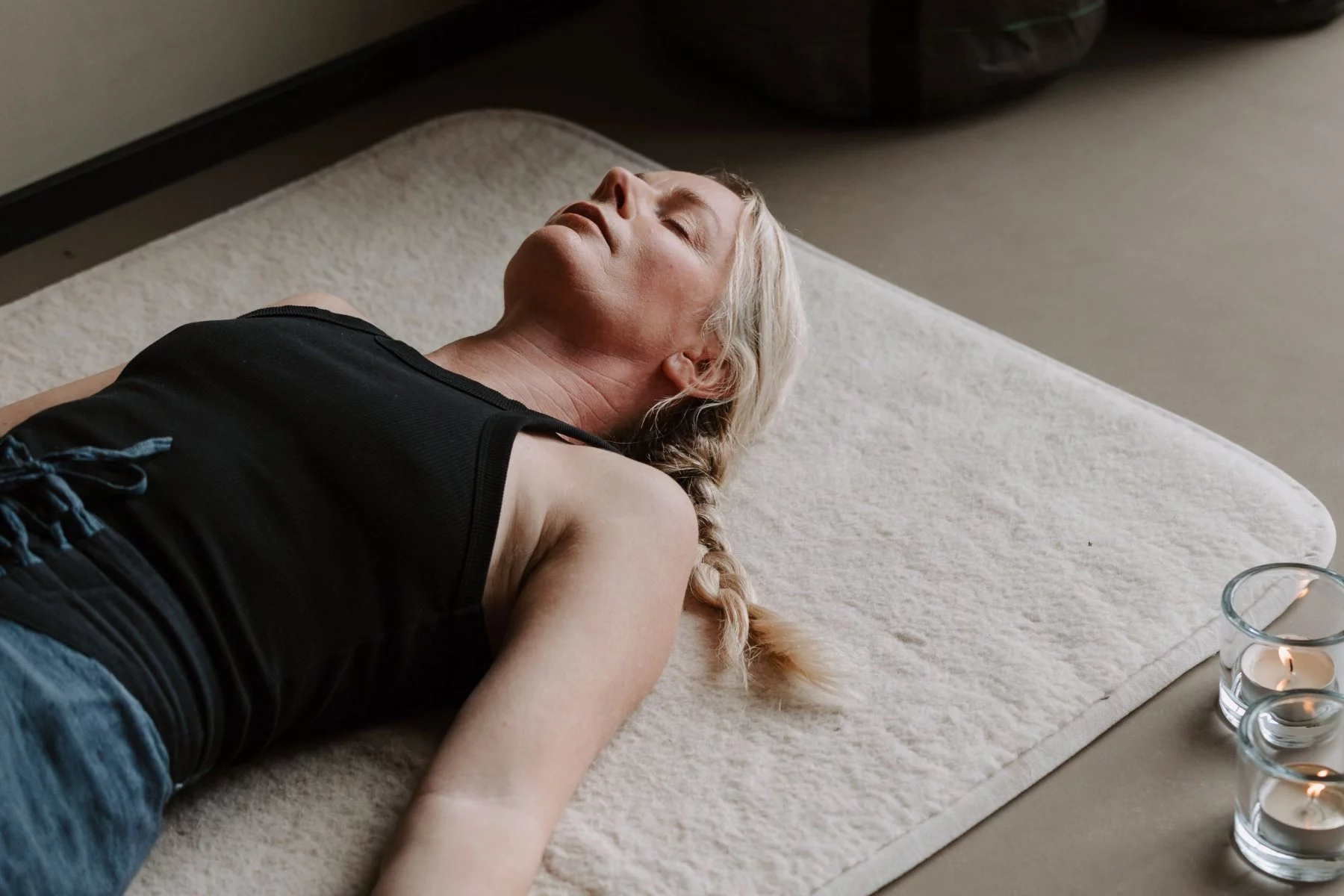
Yoga Nidra is a guided practice of awareness, commonly experienced while resting in a comfortable position. Depending on the approach, the guidance may explore body sensations, breathing, intention or other points of attention. Different teaching traditions use different structures, so the name does not identify one universal script.
A Yoga Nidra Retreat gives you an opportunity to experience the practice with guidance and time around the sessions. Choose a programme that explains its approach clearly enough for you to understand what you are joining.
Look for a dedicated session, not simply a quiet ending
A brief period of rest after a movement class is not automatically a dedicated Yoga Nidra session. Check how the programme names and schedules the practice, how long the session lasts and who guides it. The distinction helps you compare the amount of teaching offered.
You may enjoy a holiday that combines both movement and guided stillness. If supported positions are also important, explore Restorative Yoga Retreats. The two practices can complement one another without being identical.
Choose a voice and teaching approach you can follow
Much of the experience depends on listening, so consider the teaching language, pace and opportunity to ask questions. Find out whether sessions are guided live, use recordings or combine both. A recording can have a role, but it provides a different interaction from a teacher responding to the group.
Ask which tradition or method informs the programme and how unfamiliar concepts are explained. You do not need an elaborate vocabulary before arriving; you do need guidance you can understand and a clear sense of the session’s format.
Make comfort and choice part of the arrangement
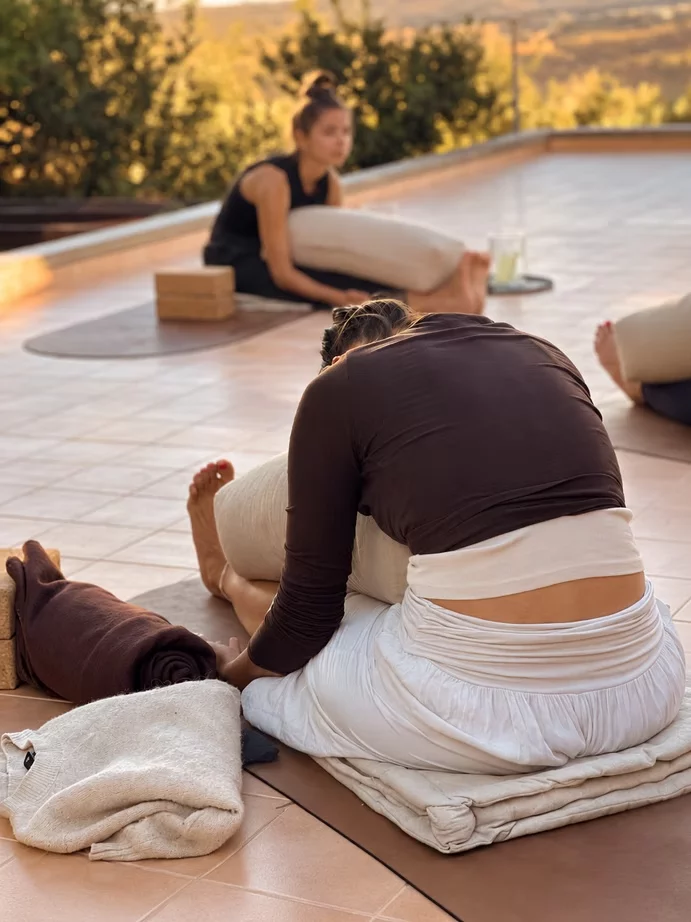
Ask about the practice space, props and available positions. Lying on the back is common, but the organiser should explain how guests with different comfort or access needs are accommodated. Warmth, background noise and enough space to settle are practical details worth comparing.
You should also know how to pause or reorient yourself during a session. An invitation to rest does not require every participant to have the same experience. Choose teaching that makes room for questions and personal boundaries rather than promising a particular emotional response.
Decide how guided awareness fits the wider Retreat
Some programmes give Yoga Nidra a central role; others include it on selected days alongside movement, discussion or outings. Read the timetable to understand that balance. If your interest is a broader period of guided attention practice, compare Meditation Retreats and their teaching formats.
Keep the geographic search open. A suitable room and a comfortable schedule matter more than whether the venue is beside a beach or in the countryside. Choose the location for the holiday you want between sessions.
Keep personal practice and professional study distinct
A holiday session gives you an experience of Yoga Nidra, not an automatic qualification to guide it for others. If teaching is your intention, compare Yoga Teacher Training programmes and ask specifically about the scope of their Yoga Nidra education, practice teaching and assessment.
For your own stay, focus on the quality of the explanation and the space given to the practice. You do not need to measure the holiday by a promised state of consciousness or a claim that a session replaces a fixed number of hours of sleep.