Choose a practice built around support
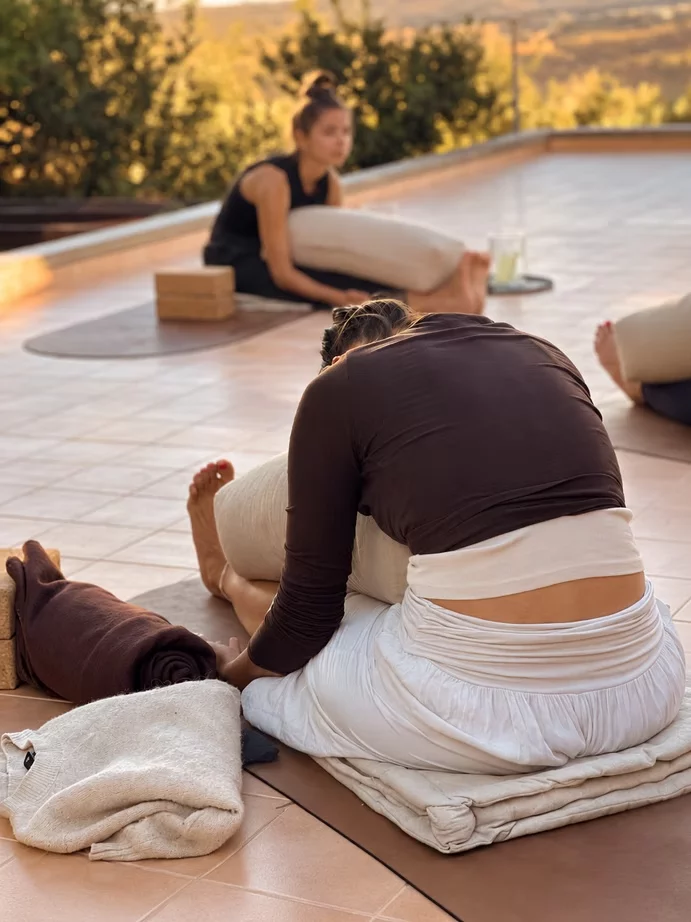
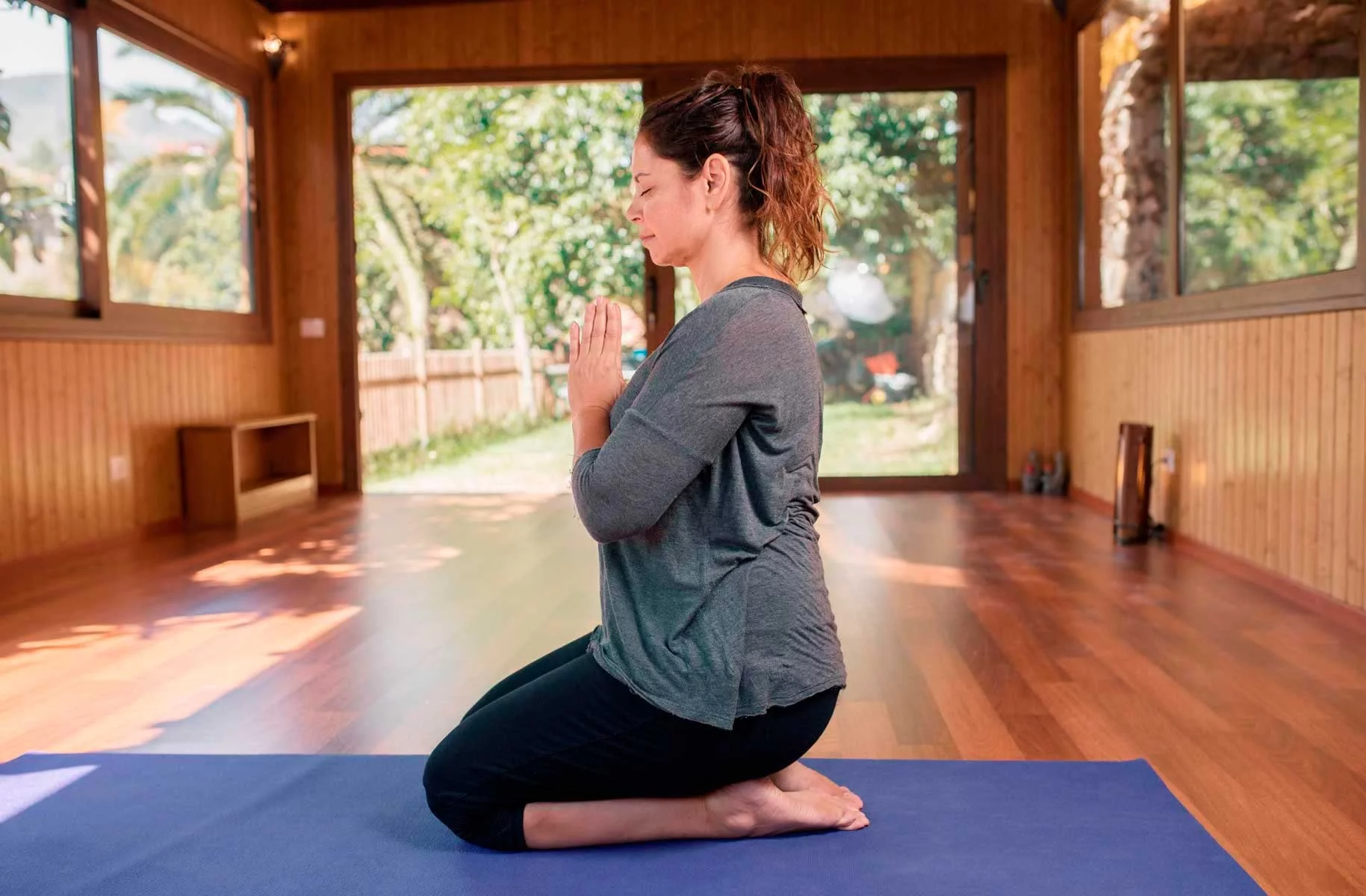
Restorative Yoga centres on resting in supported positions, often using bolsters, blankets or other props. The arrangement is part of the practice: enough support can change the experience of a position substantially. A class gives time to set up, settle and make adjustments rather than moving through a long sequence.
A Restorative Yoga Retreat can appeal when you want this quieter approach to have a clear place in the holiday. Look for a programme that describes the teaching and equipment, not simply a general promise of relaxation.
Understand how supported rest differs from other slow classes
A slow timetable does not identify one particular style. Yin Yoga also uses sustained positions, but its intention differs from the supported rest central to Restorative Yoga. Ask how the teacher describes the class if the programme uses both names.
The distinction helps you choose the experience you actually want. Someone interested in remaining with the sensation of a longer-held posture may want a different class from someone seeking a session organised around comfortable support and reduced physical effort.
Look at the room and the props together
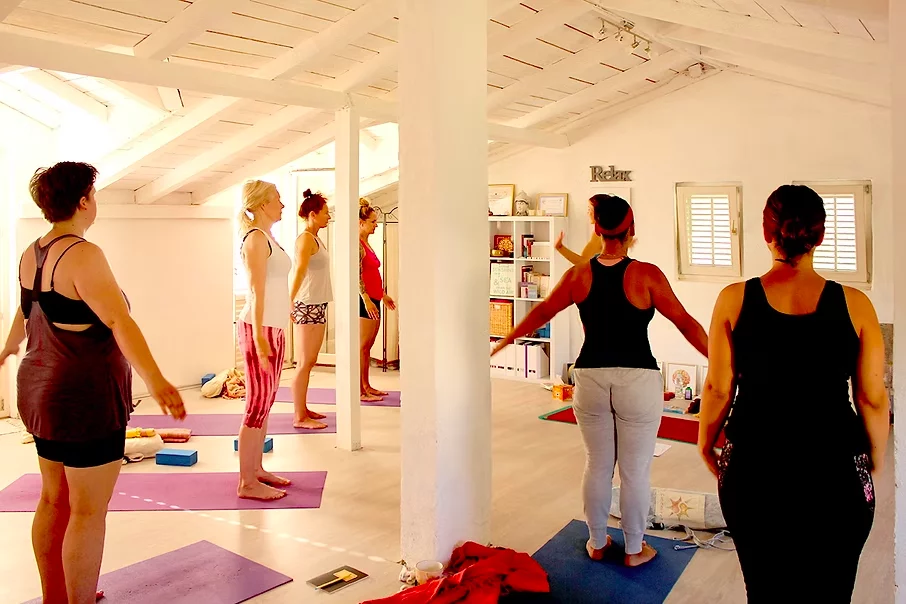
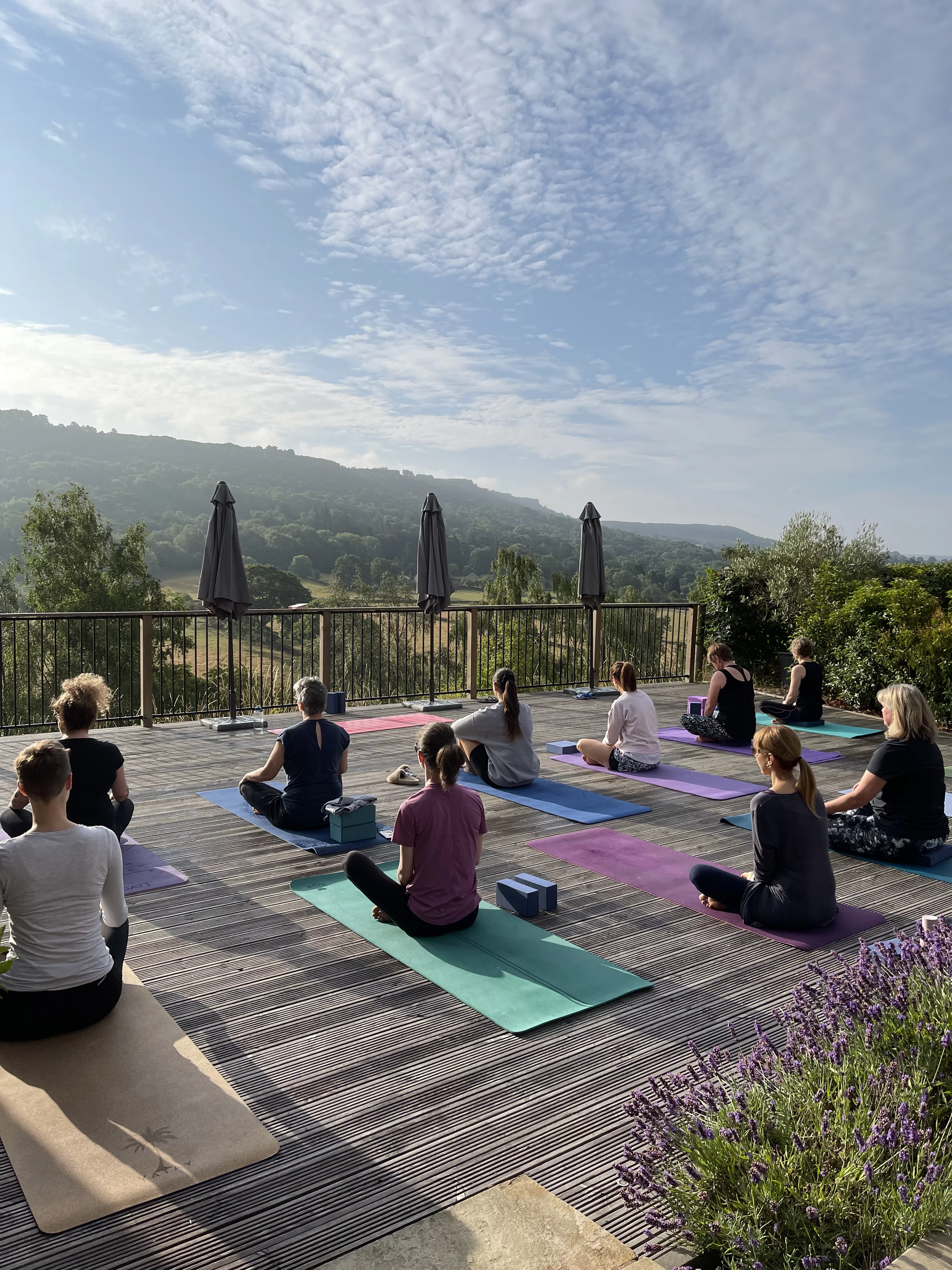
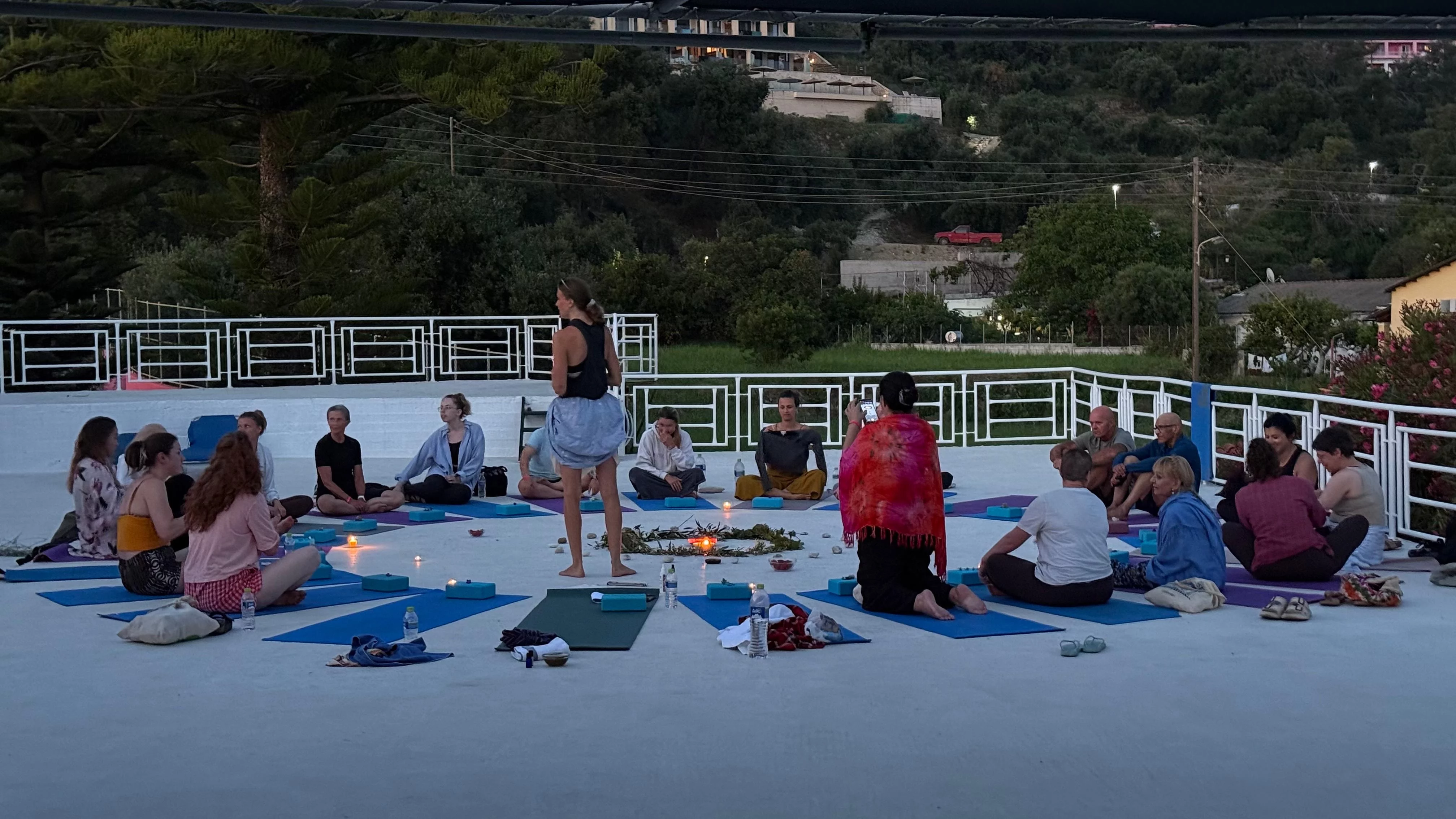
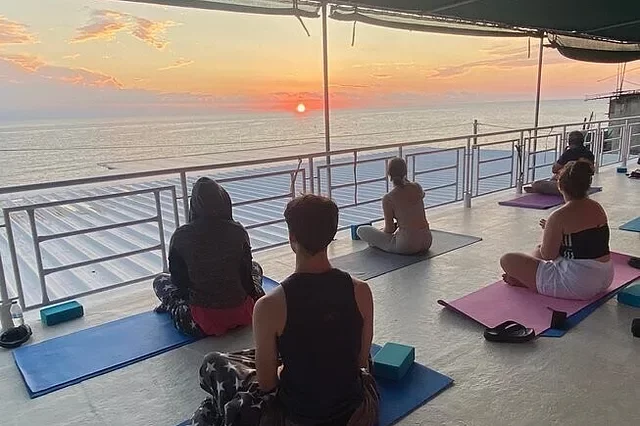
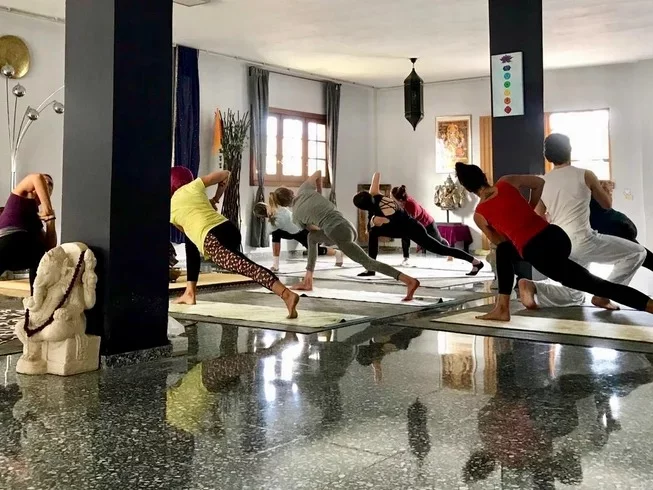
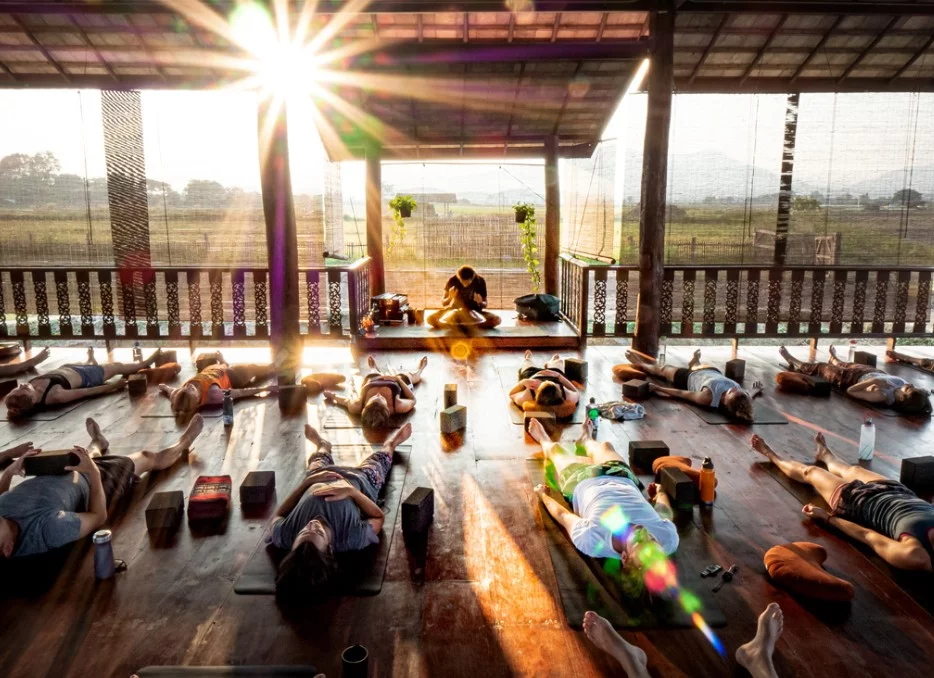
The practice space matters when you spend longer periods without much movement. Consider warmth, light, noise and whether the room allows each guest enough space for their equipment. An attractive outdoor setting can be enjoyable, but it needs a workable alternative when conditions change.
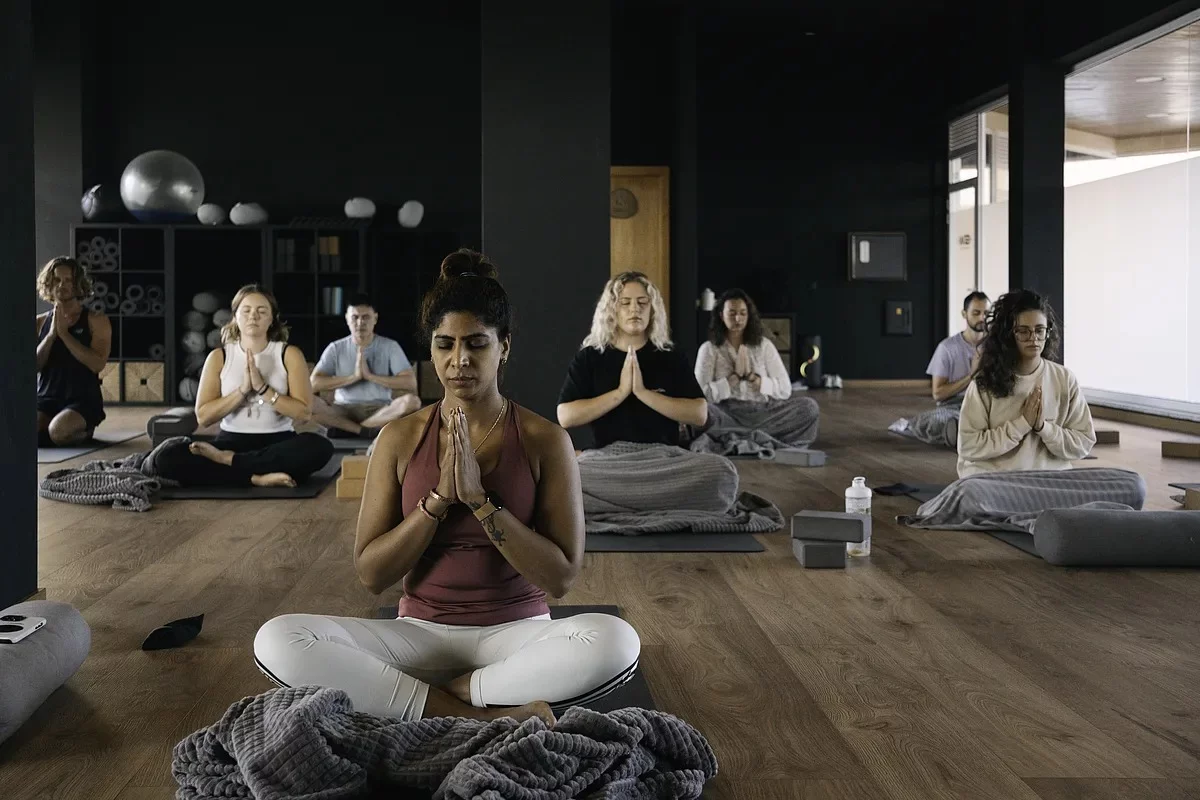
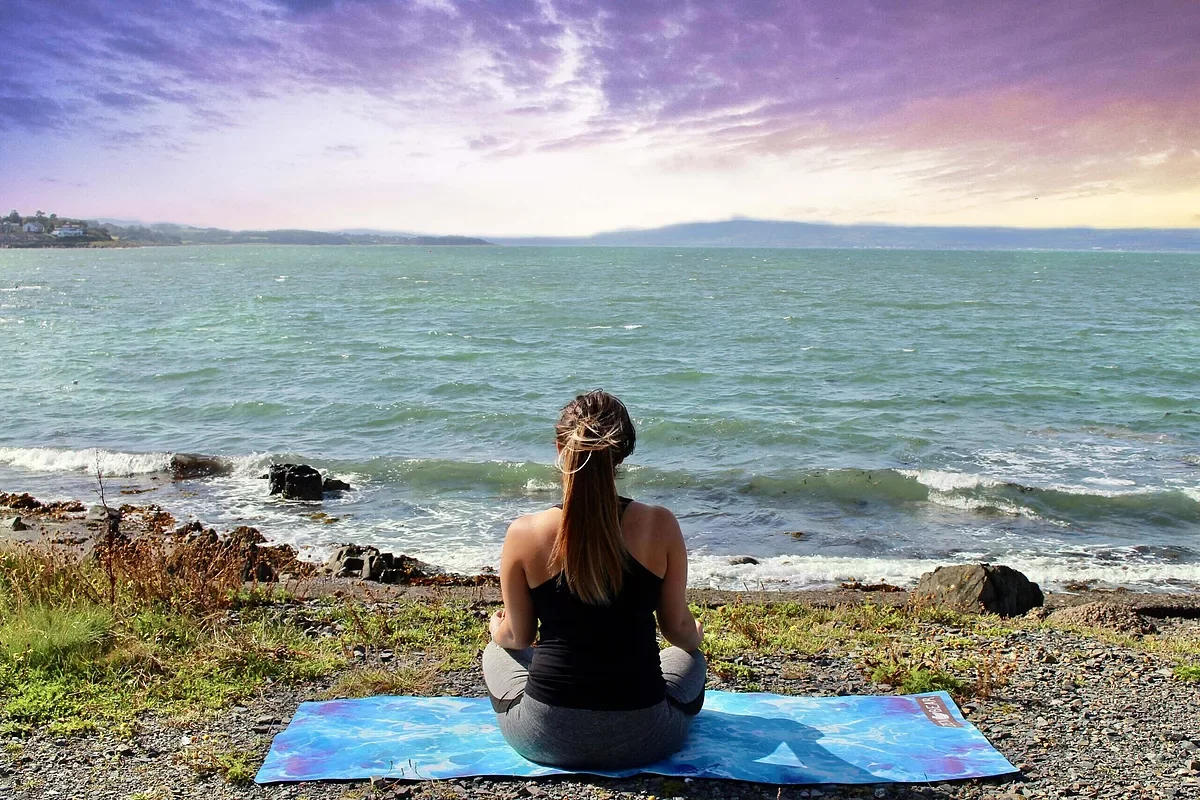
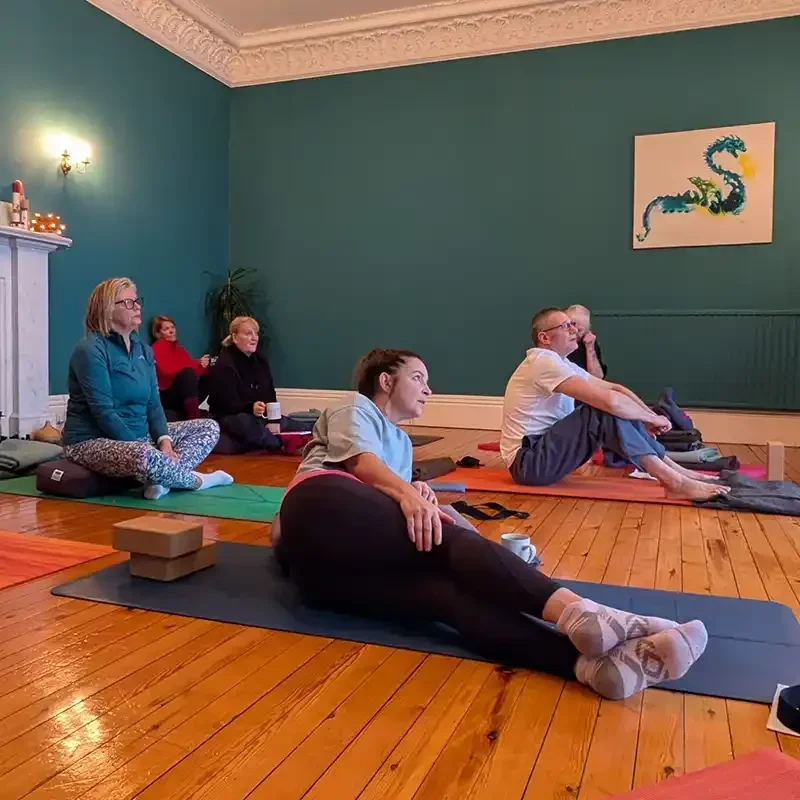
Check what is supplied, including bolsters, blankets and any other items used by the teacher. Ask how the group is helped to arrange them. A well-described setup gives you a clearer picture of the class than a photograph of a single mat.
Choose guidance that allows you to settle in your own way
The teacher’s role includes explaining the setup, offering options and helping guests find a position that works for them. Look for room to ask questions or change the arrangement, without an expectation that everyone uses the same support or stays completely still.
If you also enjoy a guided awareness practice, compare programmes with Yoga Nidra. A Restorative Yoga session may include verbal guidance, but it should not be assumed to follow the same structure as a dedicated Yoga Nidra practice.
Protect the slower rhythm outside class
A quiet session can be difficult to enjoy if the rest of the day feels rushed. Look at meals, excursions, appointment times and the journey between spaces. Choose a programme where arriving at class does not require giving up the practical comfort you wanted from the holiday.
Explore Retreat destinations according to how you want to spend the remaining hours. You may prefer gentle exploring, sociable meals or plenty of time by yourself. Restorative Yoga does not require isolation or a particular type of landscape.
Set expectations around the experience, not a promised result
A Retreat offers time, space and instruction; it cannot promise that every guest will feel a particular way after each session. You can value the opportunity to practise supported rest without treating the holiday as a test of how quickly you relax.
Ask how frequently Restorative Yoga appears in the schedule and whether the programme also includes active classes. Choose the balance you want. If you are seeking care for a health condition, assess that separately rather than assuming a restful programme provides clinical treatment.