Choose a course around how you want to learn
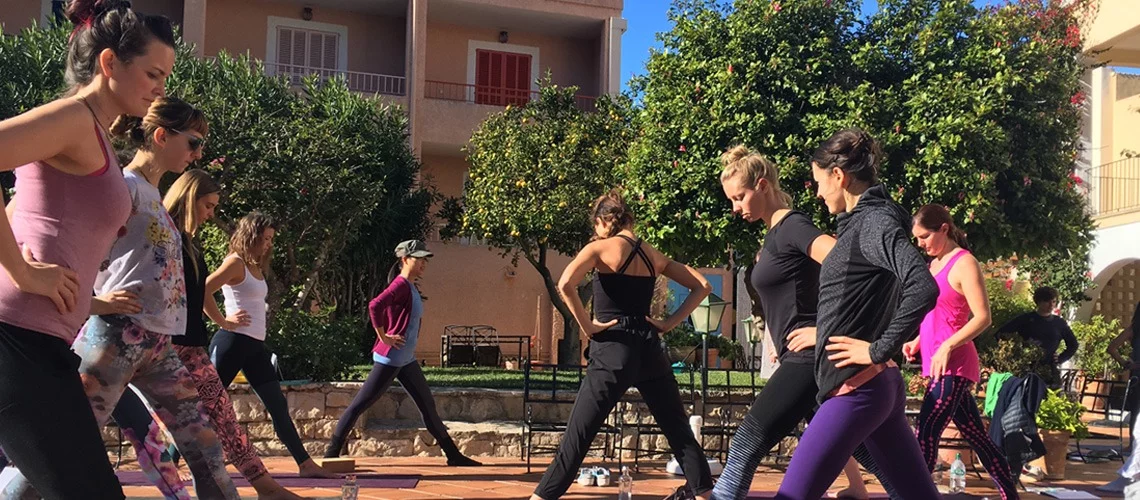
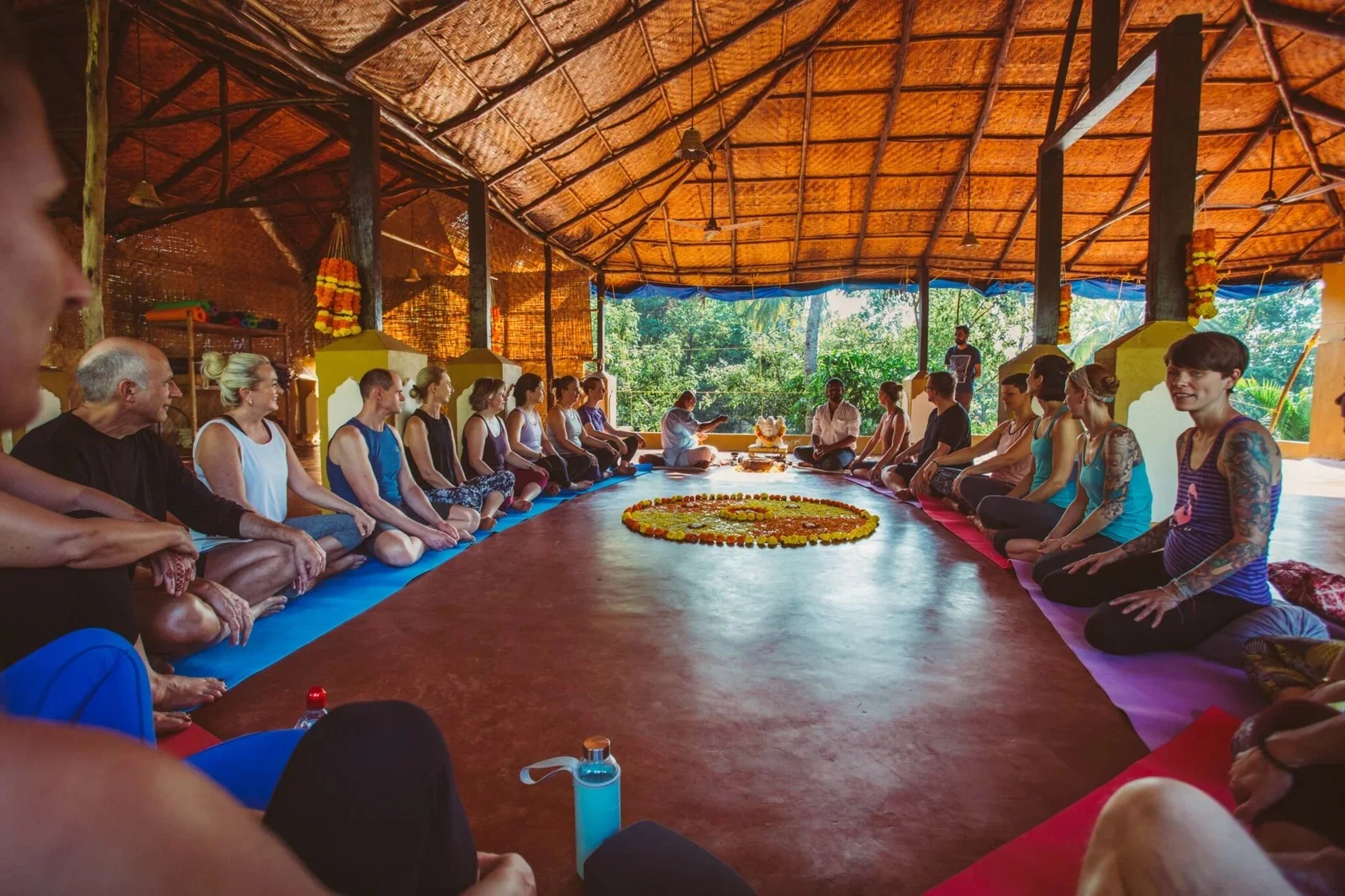
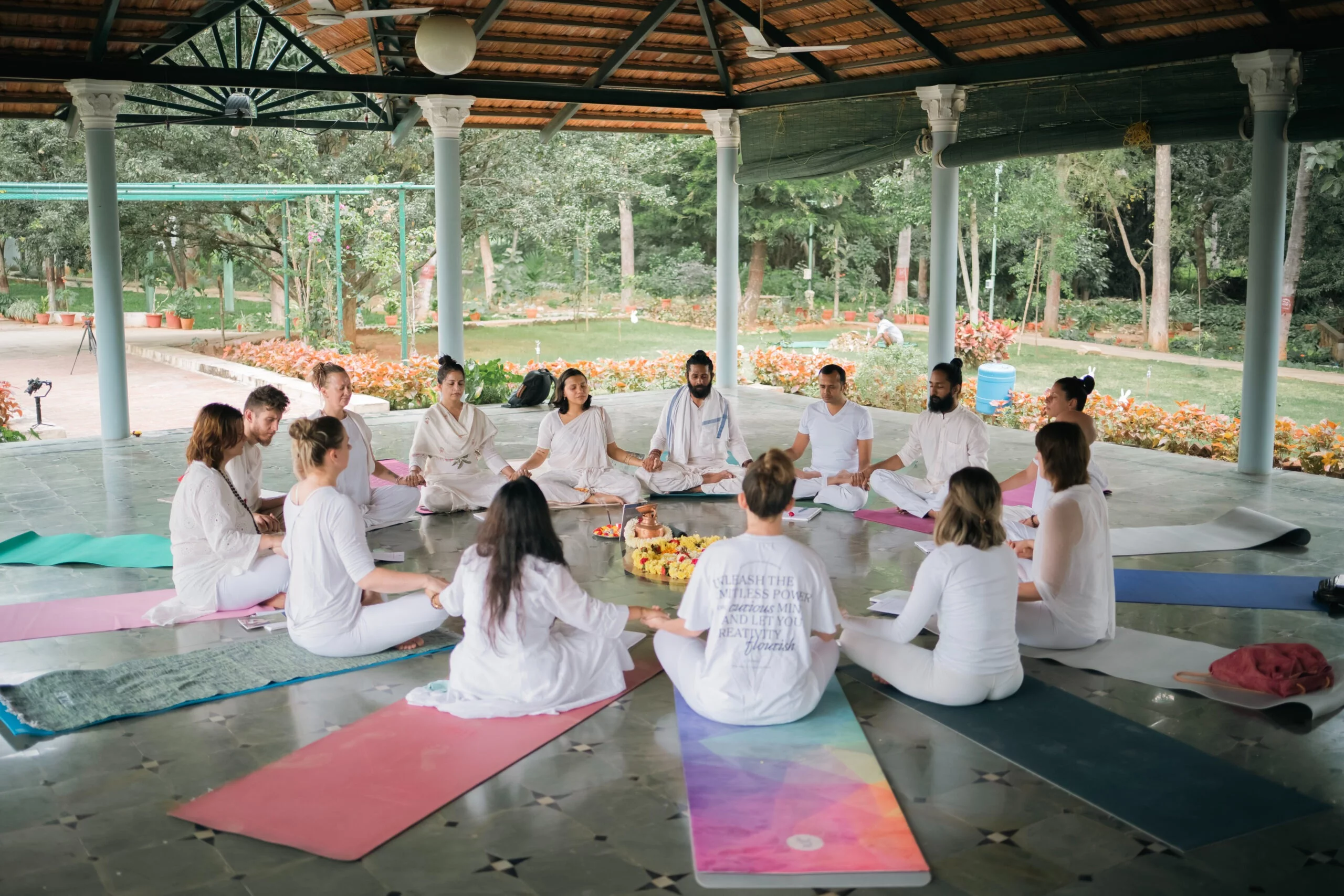
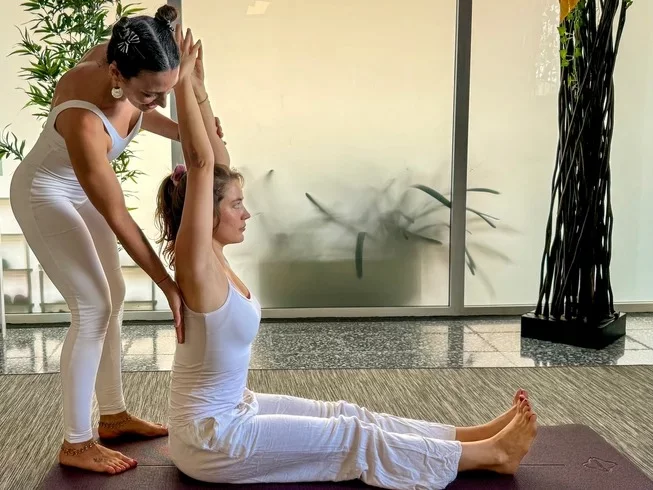
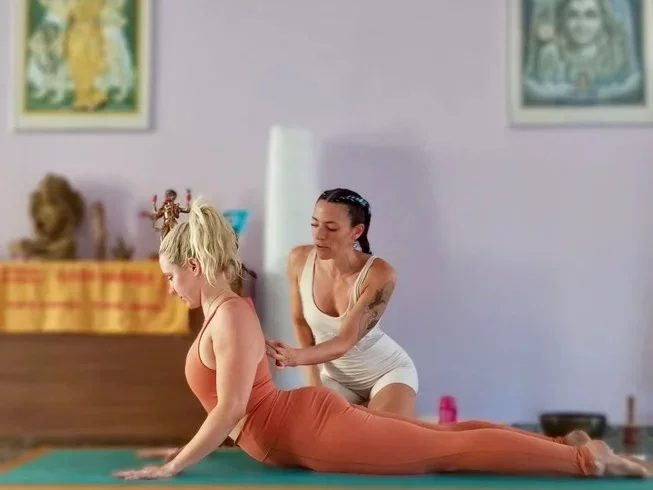
Yoga Teacher Training, often shortened to YTT, brings together personal practice, study and the process of learning to teach. It creates space to examine how a class works: why a sequence is arranged a certain way, how instructions land with different students and when a posture needs another option.
Start with your reason for joining. You may want to prepare for your first classes, develop an existing teaching practice or study Yoga more closely for yourself. If your priority is a holiday built around practice and rest, explore Yoga Retreats too. A training course usually asks for sustained attention to lessons, assignments and participation.
Find the right level of training
A 200-hour Yoga Teacher Training is a common foundation for aspiring teachers. A 300-hour programme builds on earlier training, while shorter courses may concentrate on a particular subject or teaching approach. These formats serve different purposes, so begin with the entry requirements and intended outcome.
The 300-hour Yoga Teacher Training in Goa, for example, lists previous foundational training among its requirements. Compare that with the level you have already completed and the areas you want to develop. A longer course is useful when its curriculum answers your next questions.
Look closely at the practice and curriculum
Read how each school brings together Asana, Pranayama, Meditation, anatomy, Yoga philosophy and teaching methodology. A list of styles gives you a starting point; the syllabus shows where your time will go. Courses may draw on Hatha Yoga, Vinyasa Yoga, Ashtanga Yoga or other approaches, with different emphasis from one school to another.
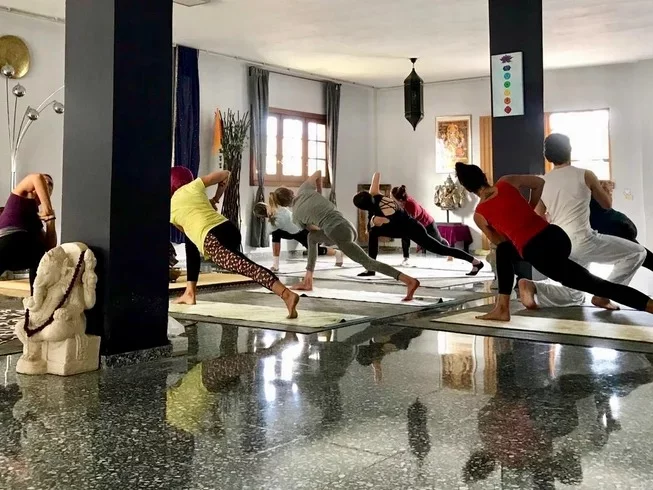
A Hatha Yoga and Vinyasa Yoga training in Tenerife is one option to explore. Ask which practices form the core of the course and which appear as introductions. Read the teachers' backgrounds alongside the subjects they teach, especially if you want sustained study of one tradition.
Make teaching practice part of your decision
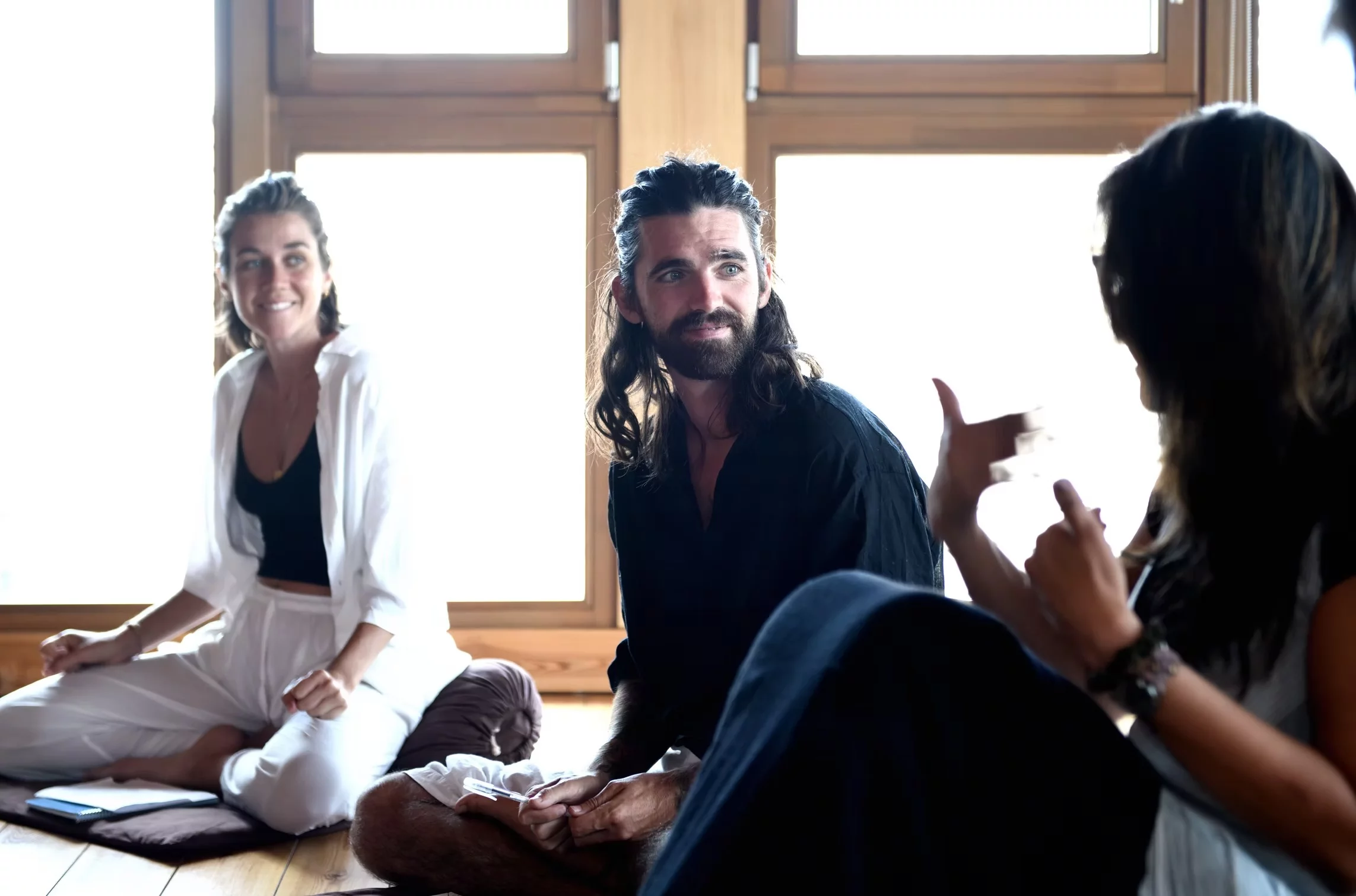
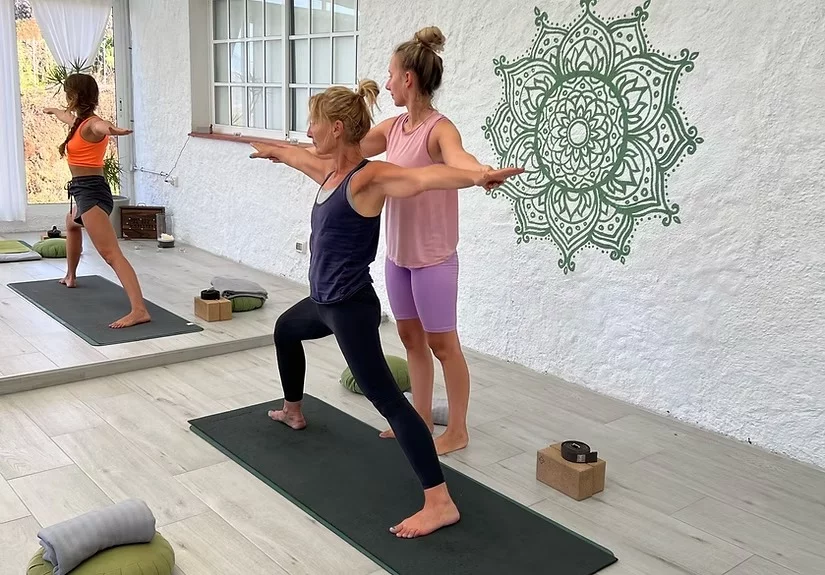
Teaching practice gives you a chance to move from following instructions to forming your own. Look for time spent planning sequences, guiding classmates, offering alternatives and receiving specific feedback. Useful questions include who observes your teaching, how often you lead and how you revisit something that needs work.
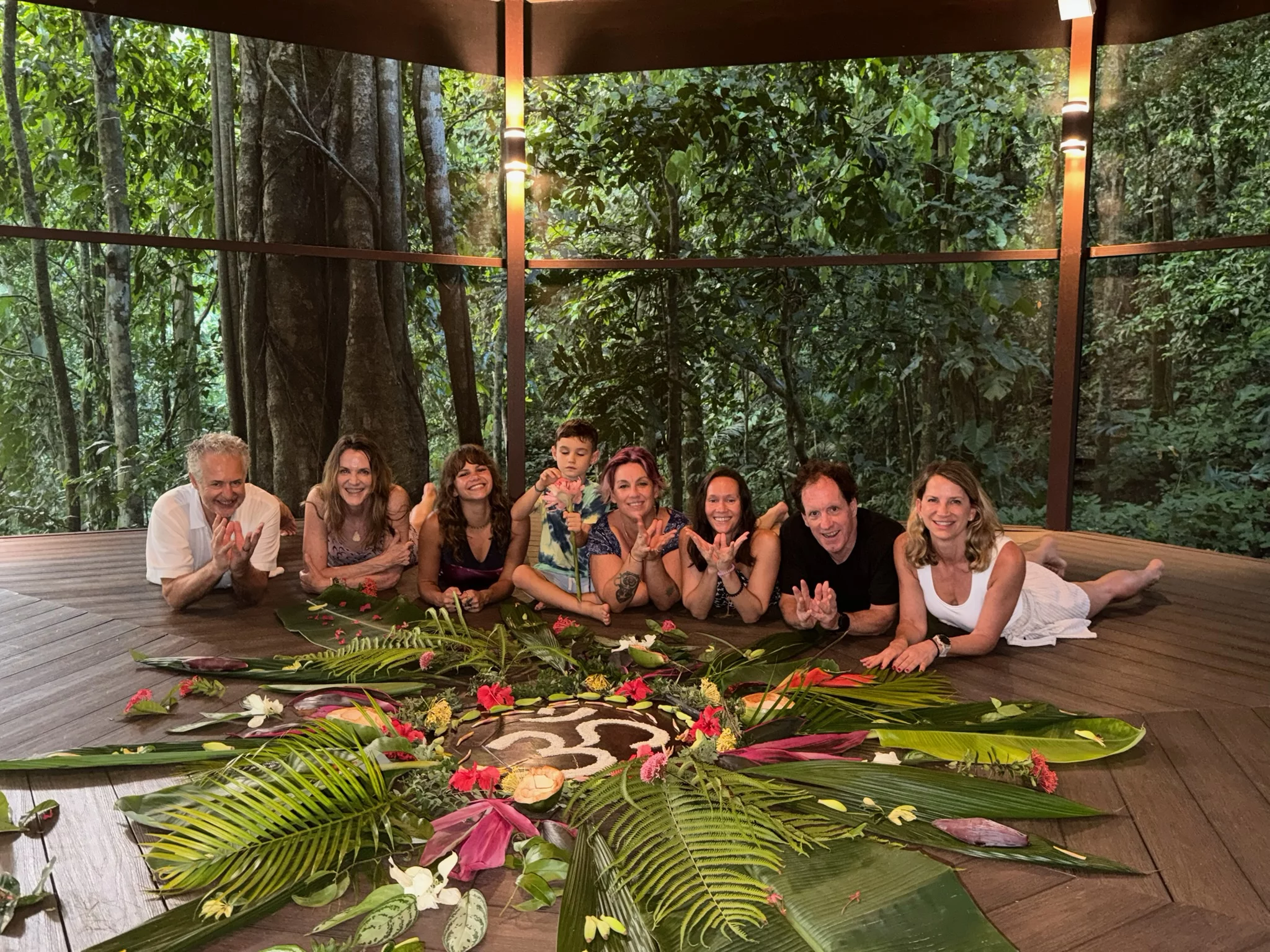
In the 200-hour Yoga Teacher Training in Costa Rica, the published timetable includes peer teaching and evening study. Use that kind of detail to picture a full day of learning. You will also want enough time for notes, meals, sleep and absorbing what you have practised.
Understand the certificate you are working towards
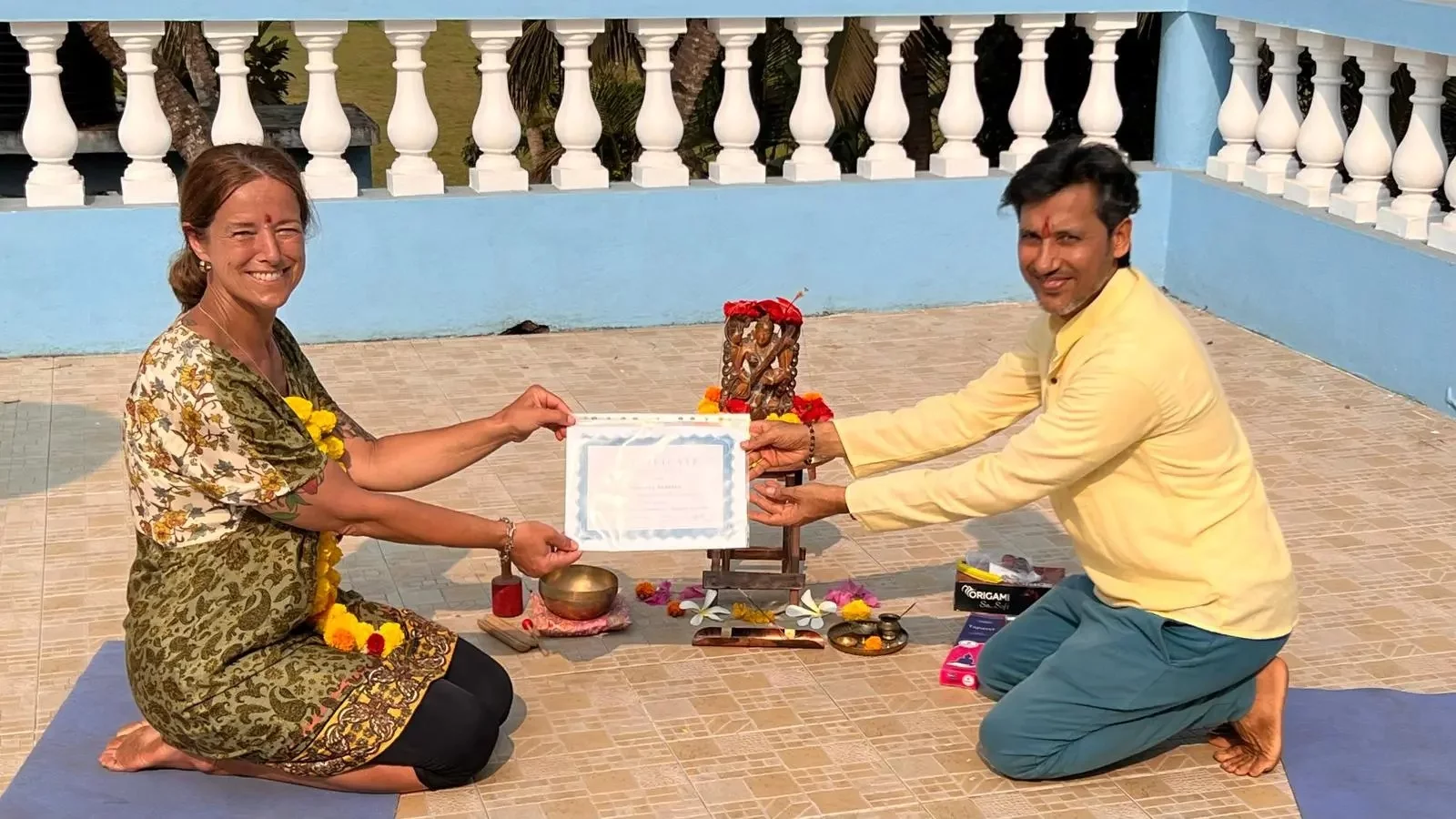
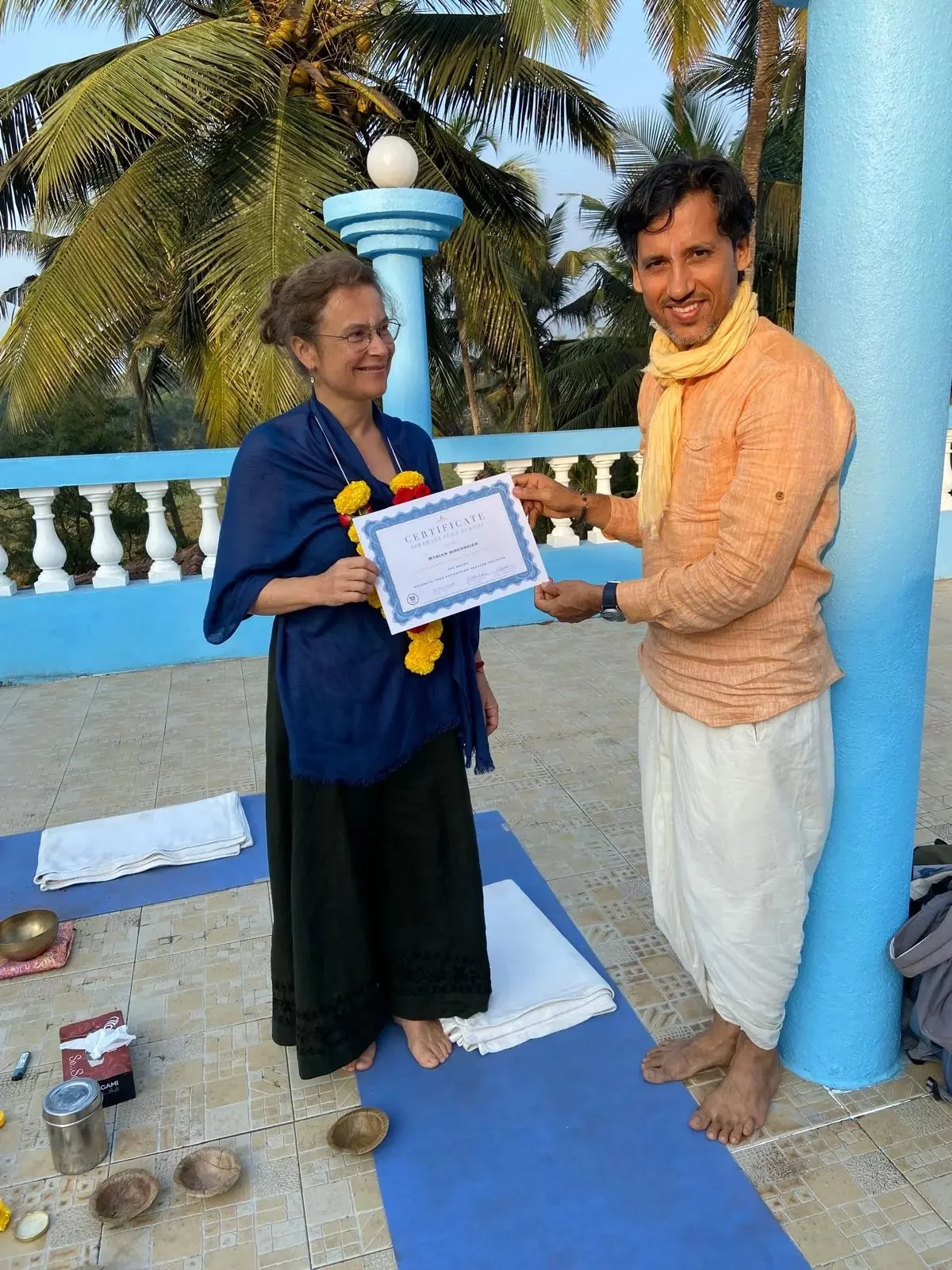
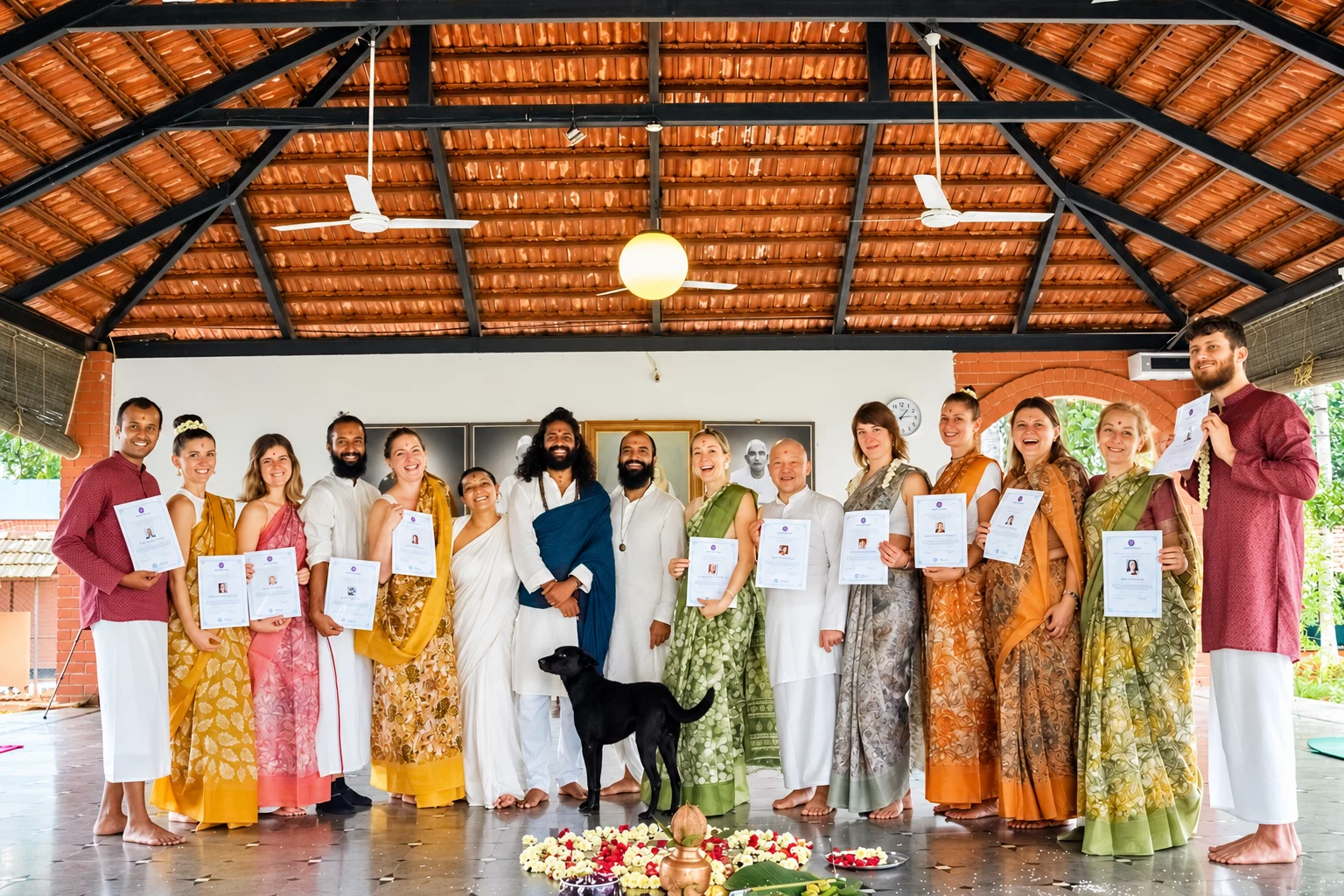
Clarify what successful completion involves: attendance, assessments, practical teaching and any work due before or after the residential stay. Ask who issues the certificate and what it records.
If Yoga Alliance registration matters to you, check the school's current directory entry and the designation relevant to your course. A school's completion certificate and your registration as a Registered Yoga Teacher are separate steps. Confirm the exact organisation named in any accreditation claim and the requirements of the credential you intend to apply for.
Plan for the whole learning experience
Choose accommodation and travel arrangements that support the training timetable. Compare room occupancy, meals on teaching days and days off, study materials and any additional fees. Check whether preparatory reading or online work needs to be completed before you arrive.
The setting matters most when it helps you settle into the course. Use YogaHolidays to compare programmes, then read the organiser's full curriculum and entry requirements before choosing your dates. The aim is to find a course you can engage with fully, at a level and pace that make sense for you.