Understand the approach before choosing the Retreat
Contemporary Kundalini Yoga classes often combine postures or repeated movements with breathing practices, Mantra and Meditation. Different teachers and traditions frame these elements in different ways. Look for a clear explanation of the approach rather than assuming the style name describes one identical experience everywhere.
A Kundalini Yoga Retreat may appeal if you want to explore how movement, attention and sound are brought together. Start with what interests you, and choose a programme that explains its content in terms you can understand.
Ask how the sessions are structured
You may encounter the term Kriya for a structured sequence of practices within a class. Ask what the particular programme includes, how long sessions last and how the teacher introduces unfamiliar elements. A named sequence can still require explanation for someone joining it for the first time.
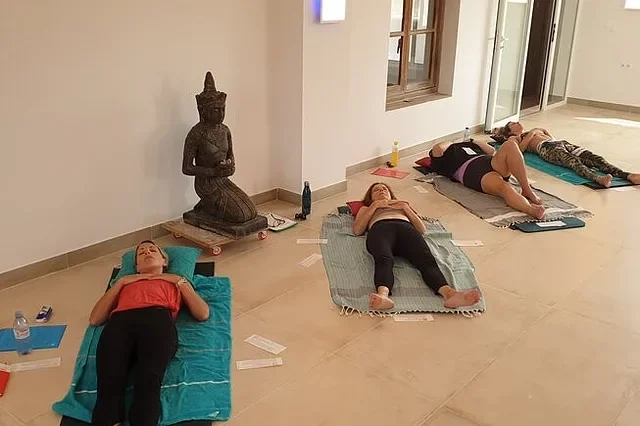
Look at the balance between active work, seated practice, guidance and rest. The overall format helps you assess the experience more realistically than an energetic or spiritual description alone.
Consider breathing and sound as part of your choice
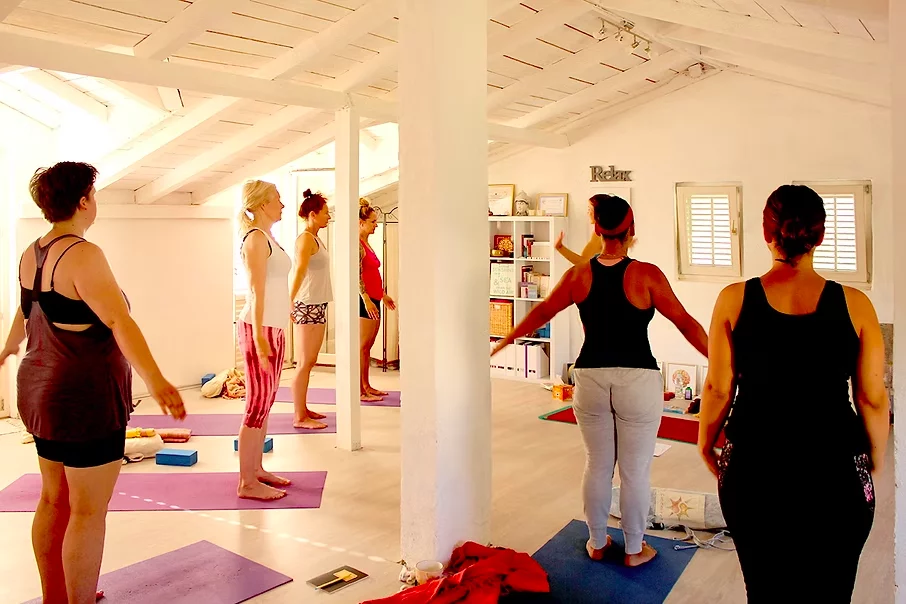
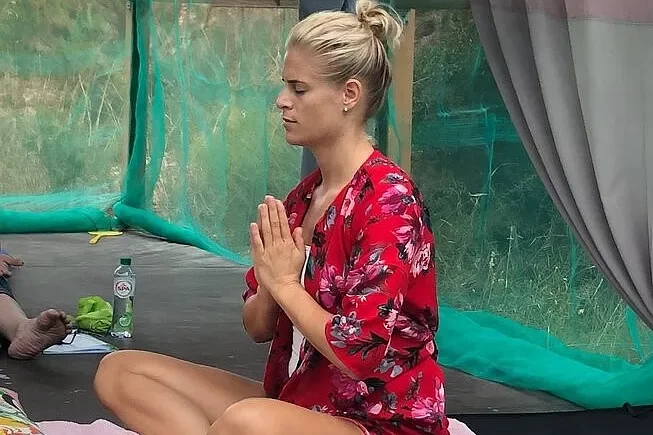
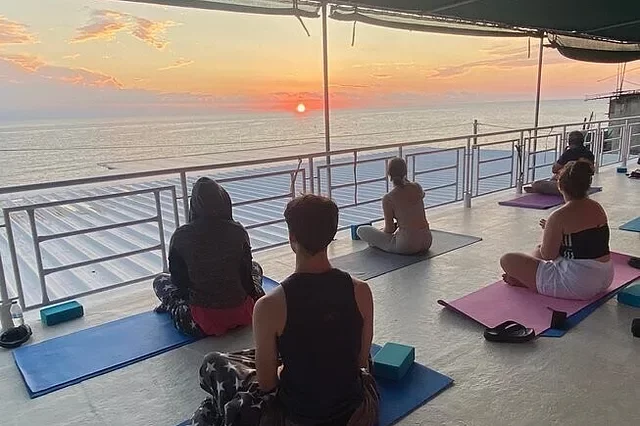
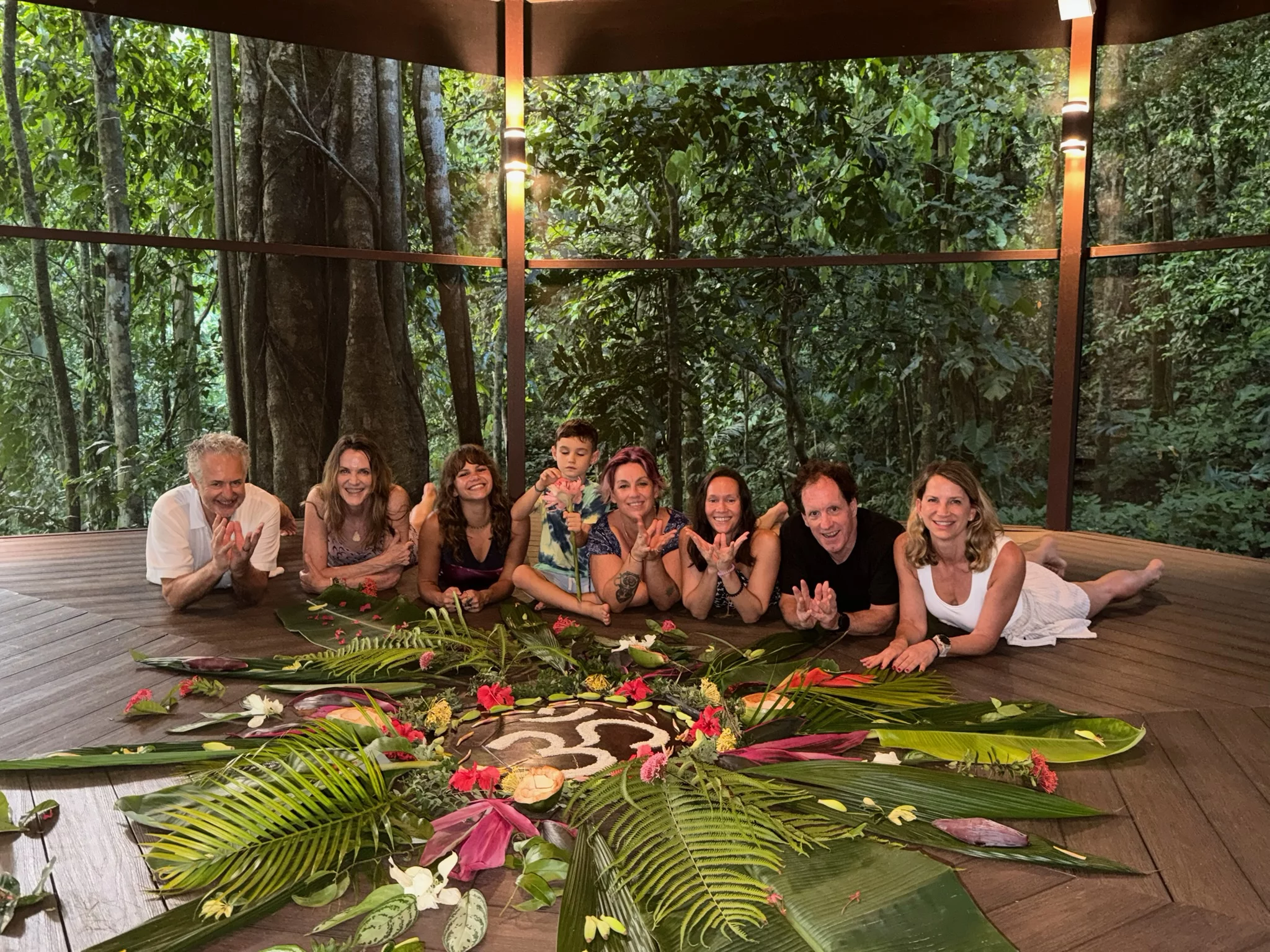
Breathing and Mantra can have a prominent role, so find out how they are taught and whether guests can discuss alternatives. Ask about the teaching language, explanations of unfamiliar words and what participation involves. You should not have to infer the expectations from a photograph of the class.
If devotional singing is your main interest, compare Bhakti Yoga Retreats. There can be shared elements, but the traditions and purposes differ; the presence of chanting does not make the programmes interchangeable.
Choose a teacher whose explanations are clear
Read the teacher’s background and ask which training or tradition informs the programme. Look for clear boundaries between the practice offered and any broader claims about its effects. Spiritual concepts can be explained as part of a tradition without being presented as guaranteed personal or medical outcomes.
For a wider focus on guided attention, explore Meditation Retreats. Compare the actual sessions and the opportunity to ask questions, rather than choosing solely on language about transformation or awakening.
Match the level and daily rhythm to your plans
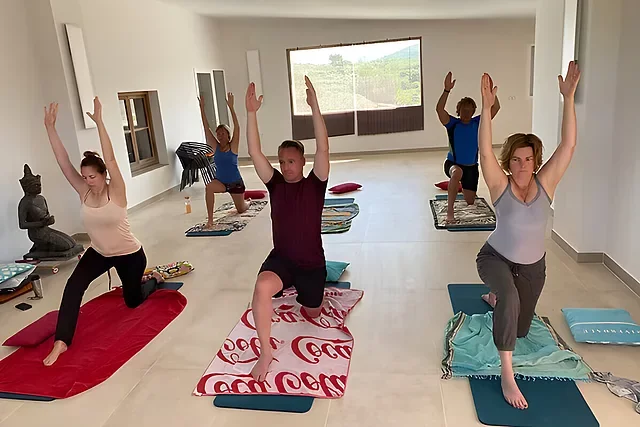
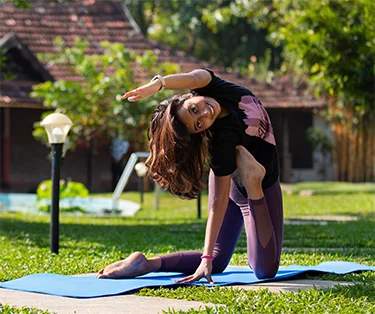
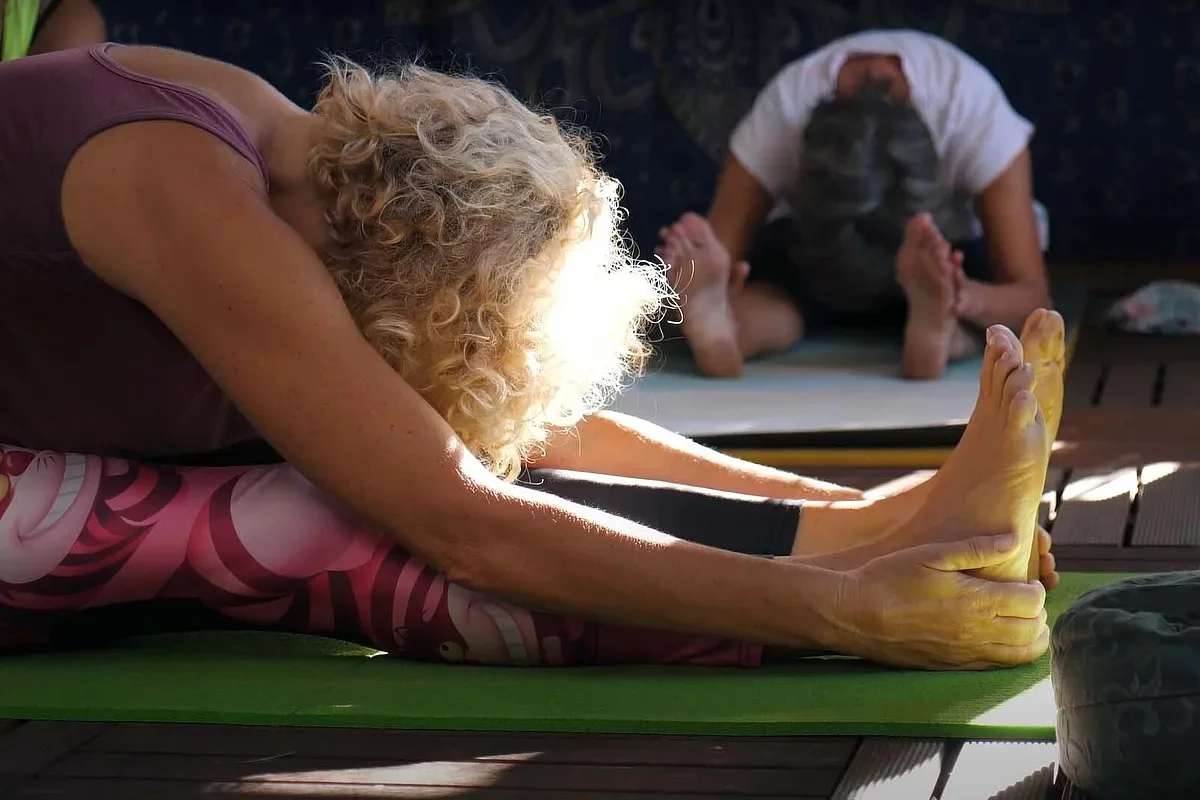
A Kundalini Yoga class can involve sustained positions or repeated movement as well as sitting quietly. Ask about the physical demands and how different experience is accommodated. If you prefer a broader posture-focused approach, consider Hatha Yoga Retreats alongside your options.
Check start times, meals, periods of rest and any expectations outside class. A programme with a structured daily routine may suit you well, but it should be a rhythm you knowingly choose rather than discover only after arriving.
Keep the destination open and the expectations realistic
Kundalini Yoga can be explored in different settings, from a countryside base to a coastal venue or a place near a town. Choose the surroundings for the holiday you want between sessions, then look at the practice room and practical arrangements.
The value of the stay can lie in learning how a teacher approaches the practice, experiencing a different routine and deciding what you want to explore further. It does not require a promised awakening, an identical emotional response or completion of every activity in exactly the same way as the group.