Why Taking Time for Yourself Is Harder Than It Sounds
Why Taking Time for Yourself Is Harder Than It Sounds
When was the last time you had a few days that were genuinely yours? Not a weekend spent catching up on laundry, an evening when everyone else happened to be busy, or a holiday where you still checked emails, organised plans and kept track of what needed to happen next. A few days when you weren’t responsible for anything in particular.
For many people, that question is surprisingly difficult to answer. We make time for work, family, appointments and all the little things that keep everyday life running. Even our downtime can become something to organise. Somewhere in the middle of it all, we can lose the habit of simply stopping.
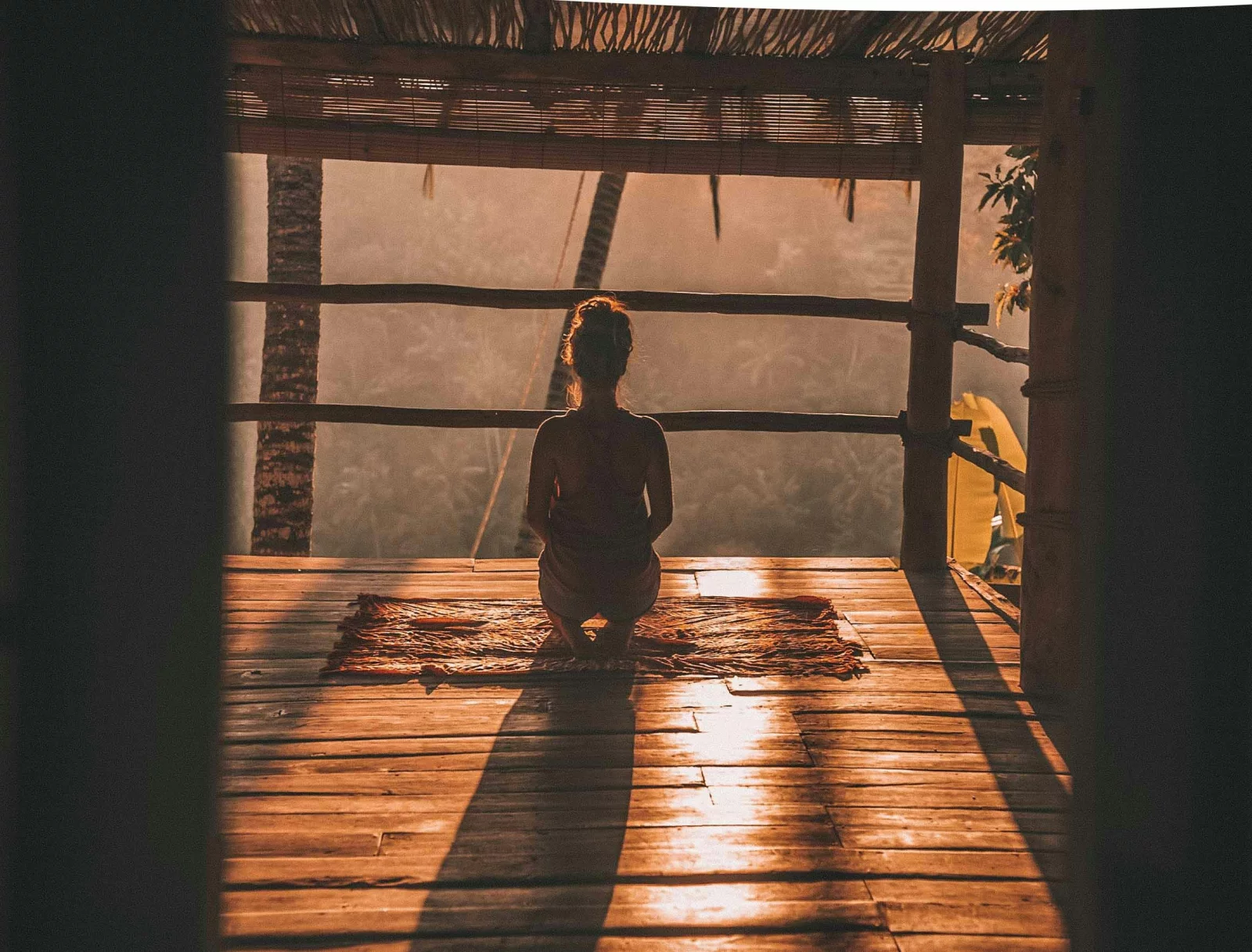
This is one reason a yoga retreat or yoga holiday can be appealing. It offers an opportunity to step away from familiar routines, spend time on your own wellbeing and experience a different pace of life, even if only for a few days.
Why Is It So Difficult to Switch Off?
Being busy has become normal for many of us. There is always another message to answer, another task to finish or something new competing for our attention. Even quiet moments can quickly fill up with scrolling, emails or thoughts about what needs to happen next.
As a result, having free time doesn’t always mean knowing how to enjoy it. You might sit down with a book only to remember something you forgot to do. You might have an entire afternoon available but feel restless because you aren’t being productive.
This is also why taking a few days off at home can feel different from going away. Your familiar surroundings come with familiar responsibilities. The household jobs are still there, your inbox is waiting and everyday routines are easy to slip back into.
Physically stepping away from that environment can create a useful change. It doesn’t make your responsibilities disappear, but it gives you some distance from them and the opportunity to direct your attention elsewhere.
You Might Not Relax Straight Away
There is a common image of a wellness retreat: you arrive somewhere beautiful, take a deep breath and immediately feel peaceful. In reality, switching off can take a little longer.
If you’ve been operating at full speed for weeks or months, your mind may not suddenly become quiet just because you’ve changed your surroundings. You might still think about work, reach for your phone out of habit or feel slightly uncomfortable with an afternoon that has nothing planned.
That’s perfectly normal. Rest isn’t always something that happens the moment you decide to rest.
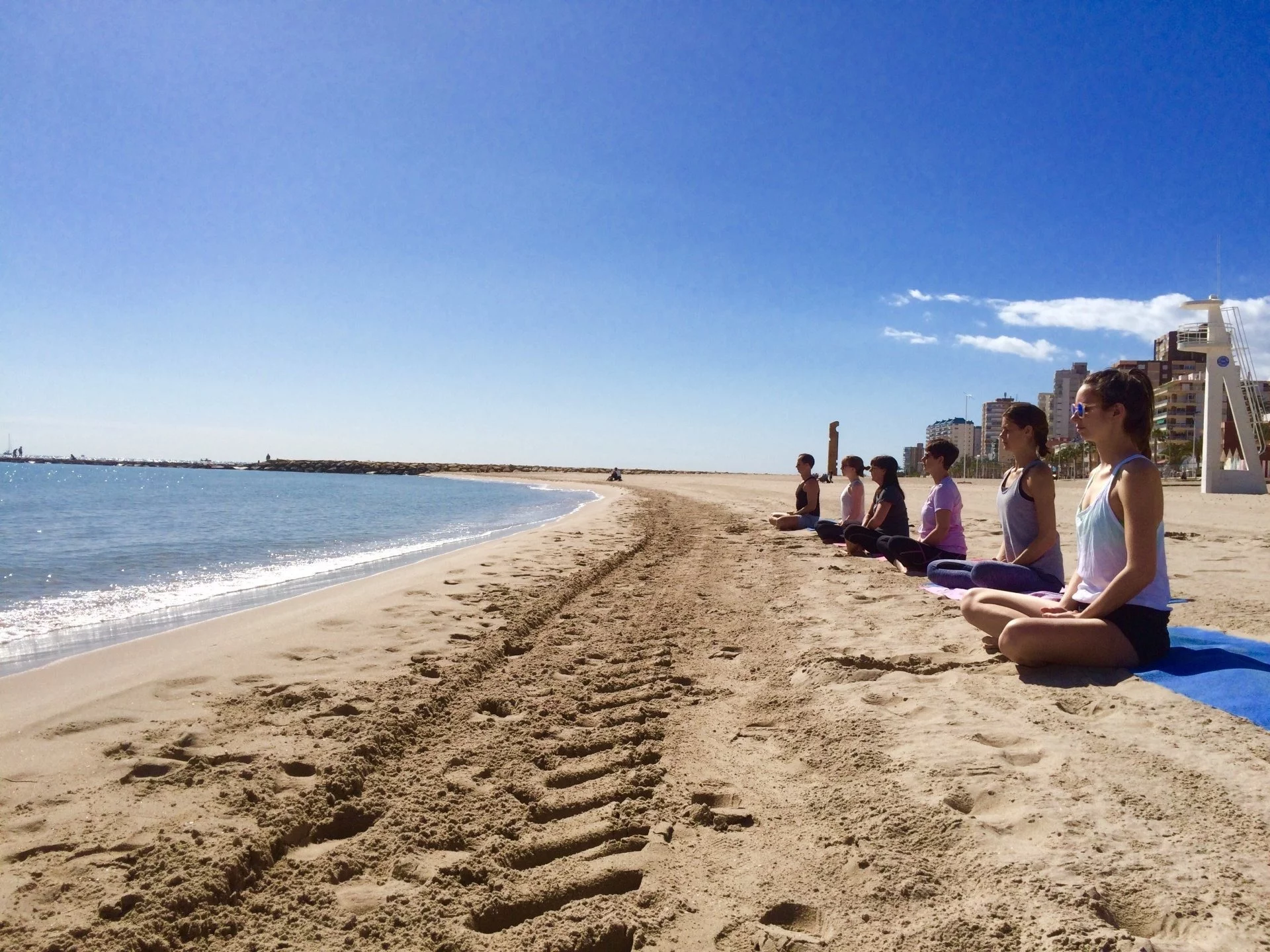
A yoga retreat can give you time to settle into a different rhythm without having to fill every quiet moment yourself. A morning yoga class, an unhurried breakfast, a walk or simply sitting outside can gradually make the day feel less rushed.
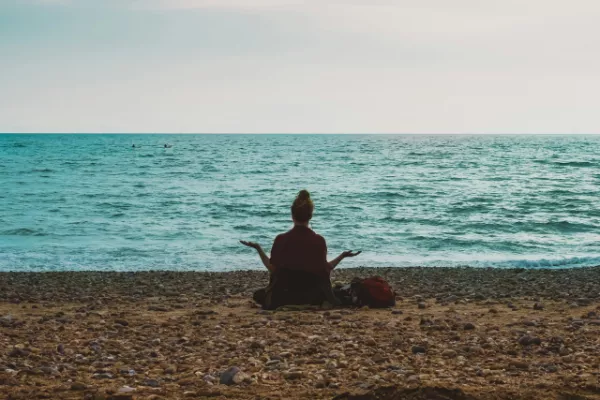
You don’t have to force yourself to relax or make every moment meaningful. Sometimes the most helpful thing is allowing yourself enough time to do very little.
How Yoga Can Help You Be More Present
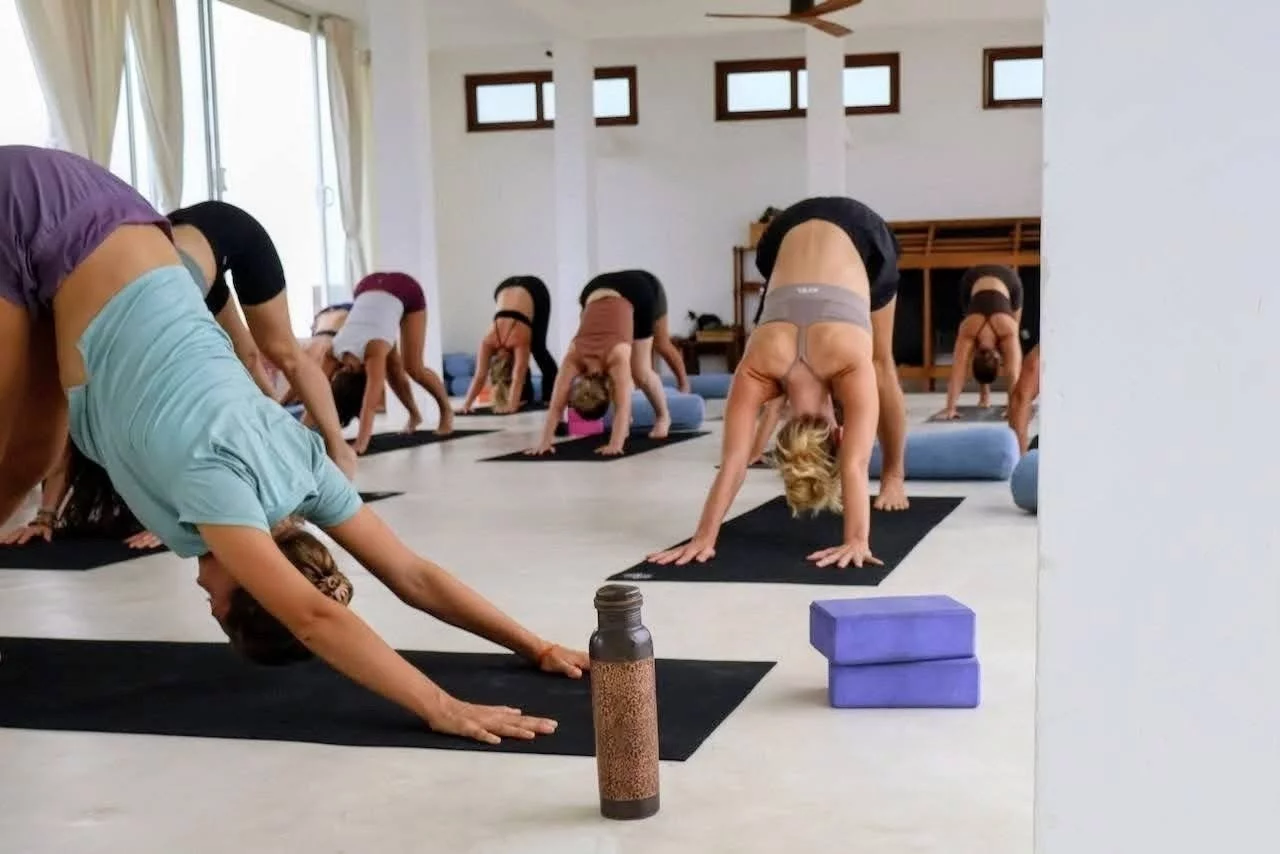
One of the reasons yoga fits naturally into a retreat setting is that the practice involves more than physical movement. It encourages you to pay attention to your body, breathing and the way you move, offering a break from the constant stream of thoughts that can accompany everyday life.
You don’t need an advanced practice to experience this. A gentle yoga class can introduce simple movements and breathing exercises that help you become more aware of how you feel. Meditation or breathwork may also be included, depending on the programme.
Different styles offer different experiences. A slower Hatha class may give you time to focus on individual postures, while Yin or restorative yoga may place more emphasis on stillness and relaxation. The right choice depends on your preferences and experience.
Over several days, having dedicated time for these practices can change the rhythm of your routine. Instead of moving immediately from one responsibility to another, you have moments when your attention can return to the present.
Taking Time for Yourself Doesn’t Mean Being Alone
Sometimes the idea of taking time for yourself is confused with spending time in complete solitude. But the two aren’t necessarily the same.
A yoga retreat can offer a balance between personal space and social connection. You might share breakfast with other guests, spend the afternoon reading or exploring independently, and join the group again for an evening class or dinner.
Meeting people outside your usual environment can also be refreshing. You are not necessarily defined by your job, family responsibilities or the roles you fulfil at home. You are simply sharing an experience with people who have chosen to spend time in a similar way.
The atmosphere varies between retreats, so think about how much interaction you would enjoy. If you like meeting people, look for programmes with communal meals and group activities. If you would prefer more quiet time, consider a smaller retreat with a flexible schedule and opportunities for independent activities.
Neither approach is better. What matters is finding an experience that gives you the kind of space you are looking for.
Rediscovering the Pleasure of Doing Very Little
When your days are full, surprisingly simple pleasures can disappear from your routine. Reading a book without checking the time. Going for a walk without needing to reach a particular destination. Eating slowly, sitting outside in the morning or listening to music without doing something else at the same time.
None of these things are particularly extraordinary, but that may be exactly the point.
A yoga holiday doesn’t need to be filled with workshops, activities and ambitious personal goals to be worthwhile. Depending on the programme, you might spend your free time swimming, exploring the local area, enjoying nature or simply resting between classes.
You may also find yourself thinking about which small habits you would like to bring home. Perhaps you decide to take a regular walk after work, leave your phone aside during breakfast or make space for a weekly yoga class.
The retreat eventually ends, but some of the routines and ideas you discover there can become part of everyday life.

You Don’t Need to Earn the Right to Rest
This may be the hardest part of taking time for yourself. Many of us treat rest as a reward for having done enough. Once the work is finished, the house is organised, the next goal is reached or everyone else’s needs are taken care of, then we can finally make time for ourselves.
The problem is that there is almost always something else waiting. If you keep postponing rest until everything is done, you may never feel that the moment is right.
You don’t have to reach breaking point before you’re allowed to take care of yourself. You don’t need to justify booking a yoga retreat by being exhausted enough to need one. Wanting a few days away, a change of scenery or time to explore something new is a valid reason in itself.
Looking after your own wellbeing doesn’t mean neglecting other responsibilities. It means recognising that your needs deserve a place in your life, too.
A Break Doesn’t Have to Transform Your Life
People sometimes talk about wellness retreats as if everyone should return home completely renewed, with a new perspective and a different approach to life. That can happen, but it isn’t something you need to expect from yourself.
You might feel more rested, discover a yoga style you enjoy or simply appreciate having time outdoors. You might notice that you have been feeling more tired than you realised, or decide that you want to make a little more room for yourself in your usual routine.
And perhaps nothing particularly profound happens. You simply enjoy a few days away.
That’s worthwhile too. Wellbeing doesn’t always need to come with a breakthrough or a major transformation. Sometimes the value of a break is much quieter: a clearer head, a little more energy and the feeling that you’ve had time to look after yourself.
Taking a Yoga Holiday Doesn’t Mean Escaping Your Life
A yoga retreat isn’t about running away from your responsibilities or pretending everyday life doesn’t exist. Eventually, you will return home. The emails will still be there, the laundry will still need doing and your usual routine will continue.
But having some distance from your normal surroundings can help you notice how you’ve actually been feeling. You may realise that you need more rest, more movement, more time outdoors or simply fewer demands on your attention.
You might also return with a greater appreciation for the ordinary parts of your life. A break doesn’t have to make you want to change everything. It can simply give you the perspective to decide what deserves more of your time and what can wait.
So, when was the last time you really stopped? You don’t need to be searching for enlightenment or have years of yoga experience to consider a retreat. You might simply be curious, ready for a change of scenery or looking for a few days when you can focus on something other than your usual responsibilities.
A yoga holiday can offer that breathing room: time to move, rest, enjoy your surroundings and reconnect with the things that often get pushed aside. Sometimes, that’s more than enough.
Frequently Asked Questions
Why is it so hard to make time for yourself?
Work, family commitments and everyday responsibilities can make personal time feel less important than everything else that needs attention. Even when free time is available, habits such as checking your phone or thinking about unfinished tasks can make it difficult to switch off. Making time for yourself often requires treating it as a genuine priority rather than something to fit in later.
How can a yoga retreat help you relax and switch off?
A yoga retreat provides time away from familiar routines, often with a schedule that includes yoga, meditation, meals and periods of free time. The combination can make it easier to slow down and focus on the present. However, relaxation is not always immediate, and everyone’s experience will be different.
Do you need yoga experience to benefit from a yoga retreat?
No. Many retreats welcome beginners and offer gentle or accessible classes. You can also choose a programme that includes meditation, relaxation or other activities alongside yoga. Check the experience level and daily schedule before booking to find an option that feels comfortable.
How long should a yoga retreat be if you need a break?
There is no ideal length for everyone. A weekend retreat may be enough to enjoy a change of scenery and try a different routine, while a longer stay gives you more time to settle into the programme. Consider how much time you can realistically take away and what kind of experience you want.